


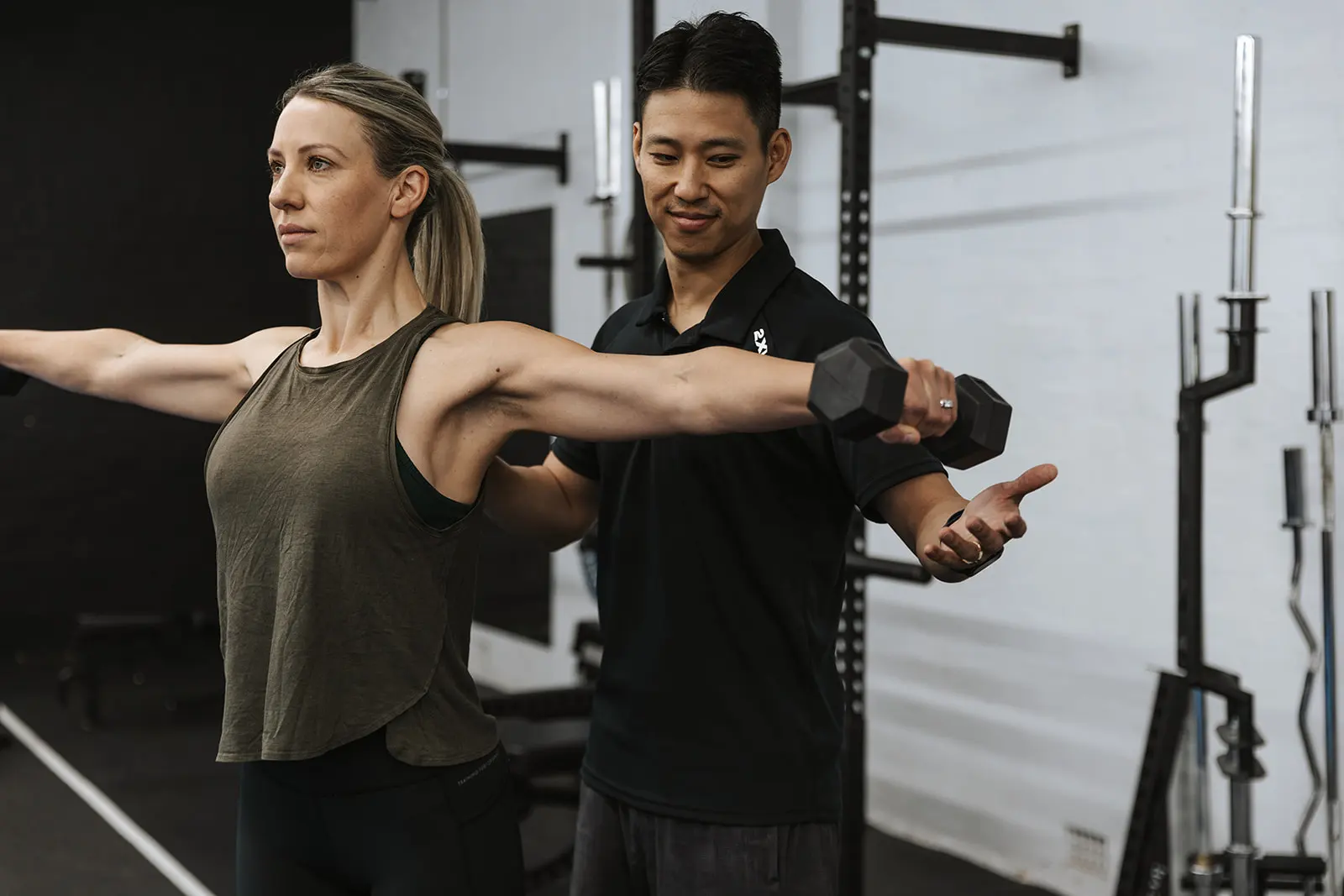
It often starts with an everyday movement—reaching into a cupboard, putting on a jacket, lifting a suitcase, or throwing a ball with the kids.
Then comes the familiar pinch.
The shoulder hurts when you lift your arm, reach overhead, or lie on that side in bed. At first, it's easy to ignore. Surely a few days of rest will fix it.
But the pain lingers. Everyday tasks become frustrating, workouts are cut short, and even sleeping comfortably becomes difficult.
If this sounds familiar, you're not alone. Shoulder impingement is one of the most common causes of shoulder pain treated by physiotherapists. The good news is that most people don't need surgery. With the right advice, targeted exercises, and a gradual rehabilitation program, most people can recover well and return to the activities they enjoy.
If you're looking for shoulder impingement physio Melbourne, understanding what causes the pain—and how physiotherapy helps—is the first step towards lasting recovery.
Book Online Now to Fix Your Body
Top 3 Things You'll Learn
-
Why shoulder impingement isn't always caused by bones "pinching" tendons as once believed.
-
How physiotherapy reduces pain by improving movement, strength and shoulder function—not simply through rest.
-
The treatment strategies and exercises shoulder impingement physio Melbourne clinics commonly use to help people return confidently to work, sport and everyday life.
What Is Shoulder Impingement Syndrome?
Shoulder impingement syndrome is a term traditionally used to describe pain that occurs when the rotator cuff tendons or nearby tissues become irritated during arm movements, especially overhead activities.
For many years, it was believed that these tissues were being physically “pinched” between the upper arm bone and the acromion (part of the shoulder blade). While this may occur in some cases, modern research shows that shoulder pain is often more complex.
Many physiotherapists now use the term rotator cuff-related shoulder pain, recognising that factors such as tendon health, muscle strength, movement patterns, workload, and nervous system sensitivity can all contribute.
This shift is encouraging because it means treatment can focus on improving shoulder function and capacity rather than assuming something is permanently damaged.
What our clients are saying about us
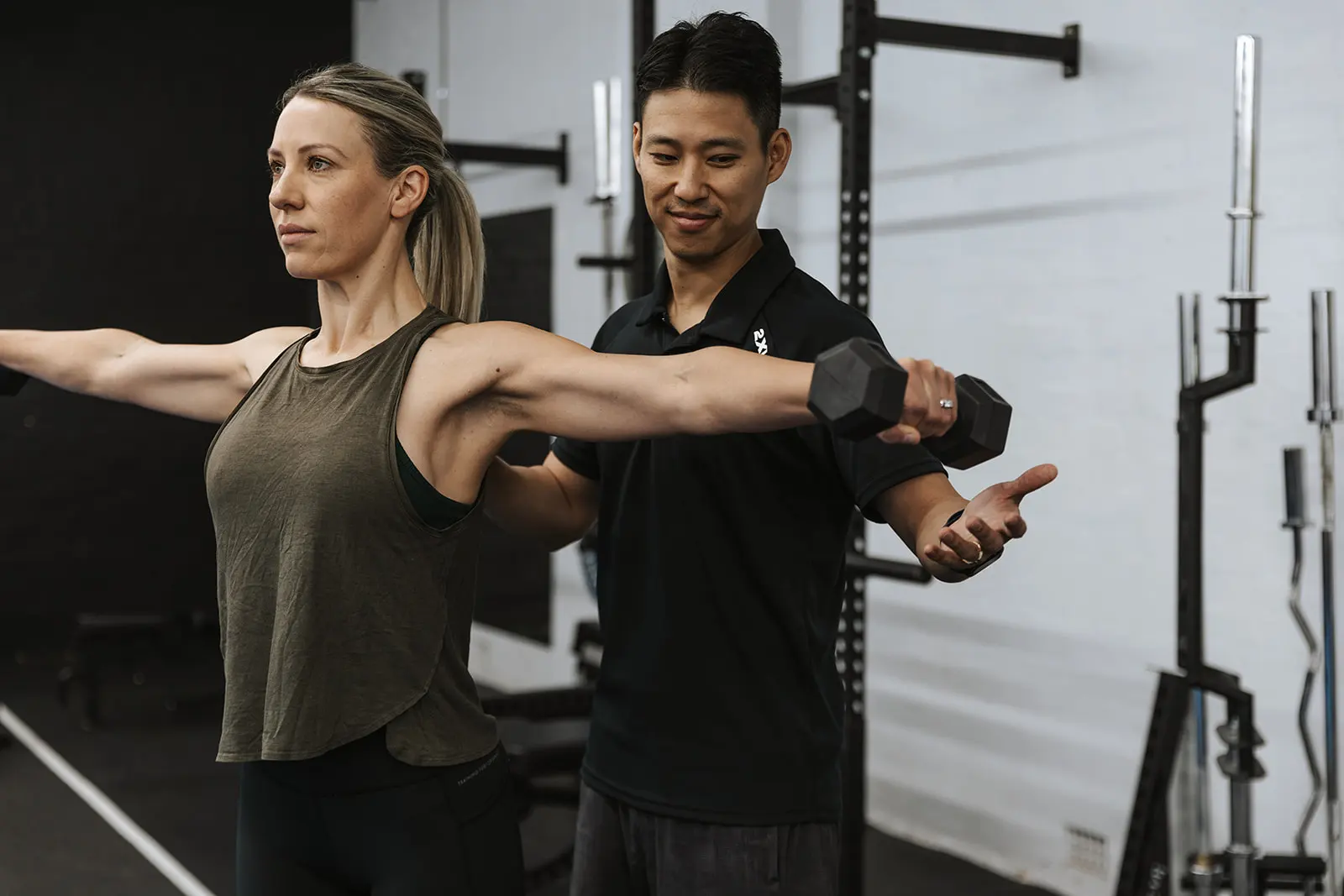
Why Does Shoulder Impingement Happen?
The shoulder is one of the most mobile joints in the human body.
That incredible range of motion allows us to throw, swim, lift, reach and carry—but it also means the shoulder relies heavily on muscles to keep everything moving smoothly.
Several factors may contribute to shoulder impingement symptoms, including:
-
Weak rotator cuff muscles
-
Reduced shoulder blade control
-
Sudden increases in activity
-
Repetitive overhead work
-
Sporting activities involving throwing or swimming
-
Poor thoracic spine mobility
-
Previous shoulder injuries
-
Age-related tendon changes
Rather than one single cause, shoulder pain usually develops because several small contributing factors build up over time.
Common Symptoms
Shoulder impingement symptoms vary between individuals but commonly include:
-
Pain when lifting the arm above shoulder height
-
Discomfort reaching into cupboards
-
Pain while dressing
-
Difficulty fastening a bra or reaching behind the back
-
Pain when throwing
-
Weakness lifting objects overhead
-
Shoulder pain when sleeping on the affected side
-
Aching after exercise or work
Some people also notice clicking or catching sensations. These sounds are often harmless if they aren't accompanied by increasing pain or loss of function.
Why Rest Alone Rarely Solves the Problem
When shoulder pain begins, many people stop using the arm altogether. While short periods of rest can help during a flare-up, avoiding movement for weeks can create new problems.
Muscles weaken, the shoulder loses confidence through its range of motion, and everyday activities become more difficult.
Research consistently shows that appropriately prescribed exercise is one of the most effective treatments for shoulder pain. Gradual loading helps tendons adapt, builds strength, and teaches the nervous system that movement can become comfortable again.
Complete rest, however, often slows recovery.
Book Online Now to Fix Your Body
How Physiotherapy Helps
One of the biggest advantages of seeing a physiotherapist is discovering why your shoulder hurts—not simply treating the symptoms.
During an assessment, a physiotherapist will look at much more than the painful area itself.
They may assess:
-
Shoulder movement
-
Rotator cuff strength
-
Shoulder blade control
-
Neck movement
-
Upper back mobility
-
Posture
-
Functional movements such as lifting, reaching or pushing
This thorough assessment helps identify which factors are contributing to your pain.
For someone searching for shoulder impingement physio Melbourne, a personalised assessment is often far more valuable than relying on generic exercises found online. Two people with similar symptoms may need very different rehabilitation programs depending on their strength, flexibility, work demands and activity goals.
Treatment Usually Includes More Than Hands-On Therapy
Many people expect physiotherapy to consist mainly of massage or joint mobilisation.
While hands-on treatment may help reduce pain in the early stages, it is usually only one part of a successful rehabilitation plan.
Modern physiotherapy focuses on helping you build a stronger, more resilient shoulder.
Treatment may include:
-
Education about your condition
-
Pain management strategies
-
Gradual mobility exercises
-
Rotator cuff strengthening
-
Shoulder blade strengthening
-
Upper back mobility exercises
-
Functional movement retraining
-
Return-to-work or return-to-sport planning
The goal isn't simply to make the pain disappear today.
The goal is to improve how your shoulder functions so it can tolerate everyday activities with greater confidence over the long term.
Book Online Now to Fix Your Body
One Thing Many Blogs Don't Explain
One of the biggest misconceptions about shoulder impingement is that every painful movement is causing damage. Modern pain science tells us that pain is influenced not only by tissues, but also by how sensitive the nervous system has become.
After an injury, the brain can become more protective, making safe movements feel painful. This doesn’t mean the pain isn’t real—it means the shoulder may need time and gradual exposure to rebuild confidence.
This understanding has changed how physiotherapists approach rehabilitation. Rather than avoiding painful movements completely, exercises are carefully progressed to strengthen the shoulder without unnecessarily aggravating symptoms. Over time, this helps the muscles and nervous system become more resilient, making everyday movements easier again.
The Best Exercises for Shoulder Impingement
Exercise is one of the most effective ways to manage shoulder impingement syndrome because it helps the shoulder become stronger, more stable and better able to handle everyday activities. The key is choosing the right exercises and progressing them gradually.
A physiotherapist will tailor an exercise program to your symptoms and goals, but several exercises are commonly used during rehabilitation.
Isometric Shoulder External Rotation
Activates the rotator cuff with minimal movement, helping reduce pain and rebuild early strength.
Resistance Band External Rotation
Strengthens the rotator cuff to improve shoulder stability during lifting and reaching.
Scapular Retraction
Improves shoulder blade control, creating a stronger base for arm movement.
Wall Slides
Improves shoulder mobility and coordination, especially with overhead movements.
Serratus Anterior Strengthening
Strengthens an important shoulder blade muscle that supports efficient overhead movement and reduces strain on the rotator cuff.
Thoracic Spine Mobility
Improves upper back movement to help the shoulder move more freely and efficiently.
Why Strength Matters More Than Stretching Alone
When shoulder pain develops, many people immediately turn to stretching. While this may provide temporary relief, it often doesn’t address the underlying issue.
The shoulder relies on strong, coordinated muscles to control movement. When the rotator cuff and surrounding muscles aren’t working effectively, other tissues can become overloaded during everyday activities.
Gradual strengthening improves the shoulder’s ability to tolerate lifting, reaching, carrying, and sport. Research shows that progressive strengthening programs can significantly improve pain, function, and quality of life for people with rotator cuff-related shoulder pain.
This is why strengthening is the foundation of most physiotherapy programs.
Book Online Now to Fix Your Body
Common Mistakes That Slow Recovery
Recovering from shoulder impingement is rarely about finding one perfect exercise. Instead, success usually comes from avoiding the habits that continue to overload the shoulder.
Some of the most common mistakes include:
-
Stopping All Activity
-
Returning Too Quickly
-
Ignoring Shoulder Blade Strength
-
Only Treating the Pain
How Long Does Recovery Take?
Recovery depends on factors such as symptom severity, activity levels, work demands, and overall health.
Many people notice improvement within six to twelve weeks with a consistent physiotherapy program, while more persistent tendon-related pain may take several months to settle.
The good news is that progress can continue after pain improves, especially when strengthening remains part of a regular routine. Consistency and patience are key to long-term recovery.
Preventing Shoulder Pain from Returning
Once symptoms improve, continuing healthy movement habits can significantly reduce the risk of future flare-ups.
Helpful strategies include:
-
Maintaining rotator cuff strength.
-
Strengthening the shoulder blade muscles.
-
Improving upper back mobility.
-
Gradually increasing training loads.
-
Warming up before sport or exercise.
-
Taking regular breaks from prolonged desk work.
-
Avoiding sudden increases in overhead activities.
For Melbourne office workers, standing regularly throughout the day and changing positions frequently can also help reduce stiffness through the neck, shoulders and upper back.
Book Online Now to Fix Your Body
When Should You See a Physiotherapist?
While mild shoulder pain may settle on its own, it is worth arranging a physiotherapy assessment if:
-
Pain has lasted longer than two weeks.
-
You struggle to lift your arm overhead.
-
Sleeping is regularly interrupted by shoulder pain.
-
Symptoms keep returning.
-
Your shoulder feels weak.
-
Pain is affecting work, sport or daily activities.
If you're searching for shoulder impingement physio Melbourne, an early assessment can help identify the underlying cause of your symptoms before they become more persistent.
Rather than simply treating pain, physiotherapy aims to restore normal movement, improve strength and help you return confidently to the activities you enjoy.
Frequently Asked Questions
Can physiotherapy fix shoulder impingement?
For many people, yes. Physiotherapy is considered one of the first-line treatments for shoulder impingement and rotator cuff-related shoulder pain. A personalised program combining education, strengthening and gradual return to activity often provides excellent results.
Should I stop exercising if my shoulder hurts?
Not necessarily. Completely avoiding movement may delay recovery. In many cases, modifying activities while continuing appropriate exercises is more beneficial than prolonged rest.
Book Online Now to Fix Your Body
Is surgery always needed?
No. Most people improve without surgery. Conservative management, including physiotherapy and exercise, is recommended before considering surgical options in many cases.
What is the fastest way to recover?
There is rarely a shortcut. The best results usually come from an accurate diagnosis, gradual strengthening, consistent exercise and avoiding sudden increases in activity.
Summary of Shoulder Impingement
Shoulder impingement syndrome can make everyday activities frustrating, but it doesn’t have to become a long-term problem.
Modern physiotherapy approaches focus less on structures being "pinched" and more on improving shoulder movement, strengthening supportive muscles, and gradually rebuilding confidence.
If you're searching for effective shoulder impingement physio in Melbourne, remember that the best rehabilitation program is one tailored to your shoulder, lifestyle, and goals. While generic exercises may help some people, a personalised assessment gives you the best chance of lasting improvement.
With the right combination of education, strengthening, mobility work, and gradual progression, most people can return to work, sport, and daily activities with less pain and greater confidence.
Book Online Now to Fix Your Body
Ready to Take the Next Step?
If shoulder pain is making it difficult to work, exercise, sleep or enjoy everyday activities, don't wait for it to become a persistent problem. Book a physiotherapy assessment to identify what's contributing to your symptoms and receive a personalised treatment plan tailored to your needs. Early treatment can help reduce pain, restore movement and get you back to doing the things you enjoy with confidence.
Book online today to feel great & move well again!
Super Simple with Instant Confirmation & No Login Required!
For consultation fees and more information, please visit our Fees and FAQs page or call us on 03 9498 0205.
Some types of consultations may require pre-payment or a deposit. 100% Money Back Guarantee (T&Cs apply).
Learn how our Melbourne Sports Physio team can help you?
At Melbourne Sports Physiotherapy our goal is to get you moving pain free as soon as possible.
But, we also want you to actually move better and live a healthier, more active and fulfilling life!
If your sports, fitness training or work has been wearing your body down, book in with one of our expert massage therapists so we can help you reduce your pain or stiffness.
If you are showing some signs of this condition or simply want help prevent this from happening in the future then book in with one of our highly experienced Remedial Massage Therapists today!
You can make an appointment by calling or booking online.