


Dance Physio Melbourne - Gold Standard Care for Performers
Experts in sports physio for all injuries across Melbourne
Whether you are a ballet, hip hop, tap, jazz, acrobatic, salsa or performing arts athlete, Melbourne Sports Physiotherapy are the experts.
We understand that dance is a unique athletic form that places significant demands on the body.
Dancers require a combination of strength, flexibility, balance, power, endurance, coordination and control, often performing repetitive movements at high intensity whilst also striving for technical precision and artistic expression.
Repetitive jumping, turning, landing, extreme ranges of motion and long hours of training can increase the risk of overuse injuries, muscle strains, tendon irritation, stress-related bone injuries and joint pain.
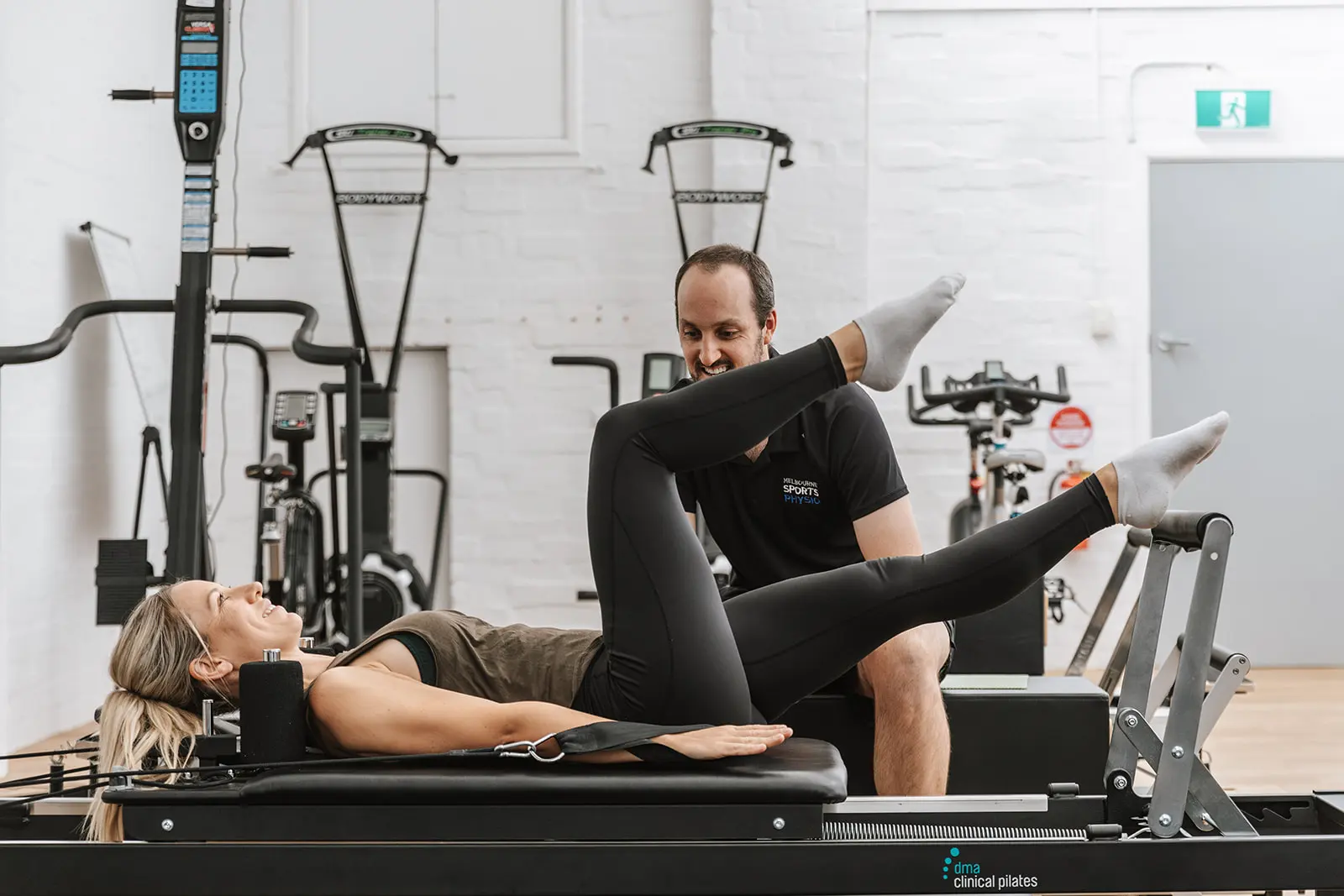
Physiotherapy plays an important role in helping dancers perform at their best. Through detailed assessment, injury management, movement analysis, strength and conditioning programs, and injury prevention strategies, our physiotherapists can support dancers in maintaining optimal performance while reducing the risk of injury.
At Melbourne Sports Physiotherapy we understand the demands of your art and provide you with tailored treatment and rehabilitation programs to help you recover effectively, improve your movement efficiency, and safely return to rehearsals and performance.
Whether you are a professional or semi-professional dancer, full time or after school dancer, our goal is to keep you dancing and perform to your full potential.
Common Injuries in Dancers: Understanding the Risk
Research suggests that approximately 67-95% of dancers experience at least one injury each year, and overuse injuries account for 70-80% of all injuries.
Female dancers, particularly those participating in ballet, are at increased risk of bone stress injuries when training loads, nutrition and recovery are not adequately balanced. Additionally, adolescent dancers are especially vulnerable to injury due to rapid growth, increasing training volumes and developing physical capacity.
The 6 most common dancing injuries we manage include:
-
Ankle Sprains
-
Tendinopathies including Achilles, tibialis posterior and patella tendinopathies
-
Lower back pain
-
Hip impingement
-
Stress reactions and stress fractures in lumbar spine, foot and shins
-
Calf and Achilles Strains: Soft tissue injuries during explosive "take-off" movement
Special Interest Dance Injury Treatment & Rehabilitation
Effective dance injury treatment requires a shift away from "total rest." At Melbourne Sports Physiotherapy, we use an active rehabilitation model.
Once we have managed the initial inflammation and pain, we move quickly into restoring the specific functional movements required for your dance-specific movements.
For example, a ballet dancer requires much more ankle stability compared to a tap dancer who requires “loose” ankles. When you are a combination dancer, we will work together to build the best and safest plan to keep you dancing.
Managing Dance-Related Injuries - Importance of Strength & Conditioning and Managing RED-S
Research has identified several factors associated with increased injury risk in dancers including:
-
Sudden increases in training load e.g. around Eisteddfod or exam times
-
Fatigue and inadequate recovery
-
Reduced strength and conditioning
-
Previous injury history
-
Poor landing mechanics
-
Hypermobility or insufficient stability
-
Nutritional deficits and low energy availability
RED-S (Relative Energy Deficiency in Sport) is a condition in which athletes do not consume enough energy (food) to meet both the demands of training and the body’s basic physiological needs.
The underlying problem is called low energy availability - there isn’t enough energy left over after exercises to support normal health and recovery.
Common signs and symptoms include persistent fatigue or low energy, declining performance, frequent injuries, recurrent illness, mood change, difficulty concentrating, weight loss or difficulty maintaining weight, irregular or absent menstrual periods (in females) and reduced libido (in all genders).
RED-S is common in dancers due to high training loads, aesthetic pressures and cultural “norms”, however it can have serious consequences and cause long-term health issues.
It is crucial for any dancer to have a strength and conditioning plan to complement your training, not only for performance but also to reduce injury risk and improve long-term health.
Additionally, you need appropriate rest and nutrition to help with your recovery - all aspects that we can help you with at Melbourne Sports Physiotherapy.
Physiotherapy for other sports injuries
At Melbourne Sports Physiotherapy, we don’t just treat cricket-related injuries, we support athletes across a wide range of sporting backgrounds, including:
-
Netball
-
Swimming
-
Calisthenics
-
Jogging/Running/ Athletics
-
Hockey
-
Gymnastics
In addition to looking after all of your sports, Melbourne Sports Physiotherapy's team are excellent at treating common sports injuries and strains.
The Road to Recovery: Our Criteria-Based Approach
We use a rigorous scientific pathway for every player. We don't believe in time-based recovery. Instead, we use criteria-based progression.
-
Comprehensive Assessment: We start with a thorough diagnosis and often use video analysis to look at your technique.
-
Initial Treatment: We use hands-on techniques like joint manipulation and dry needling to reduce pain.
-
Strength and Conditioning: We use our gym facilities to build the specific strength your position requires.
-
Objective Testing: We use VALD ForceDecks and dynamometers to ensure your strength symmetry is safe.
-
Return to Play: We design a graded return-to-training programme starting with low-intensity drills before full match simulation.
To book an appointment, please book online or call the Essendon, St Kilda, Malvern East, or Blackburn clinics.
To book an appointment with one of Melbourne Sports Physiotherapy's sports physios, please Book Online or call the Essendon , St Kilda, Malvern East or Blackburn clinics.
Frequently Asked Questions
Why do my feet hurt after dancing?
There are multiple reasons why your feet may be hurting after class. This can often be due to overtraining, lack of strength or improper pointe shoes/other dance shoes.
However, foot pain can often be due to something more serious like a stress fracture, tendinopathy or Metatarsalgia. In any case, you should book an appointment for an assessment with a physiotherapist to get to the root cause of your pain, and to provide an appropriate treatment plan.
How can I improve my turnout safely?
Many dancers want better turnout but don't know whether flexibility, strength or anatomy is the limiting factor. It is important for any dancer to have a greater understanding of their anatomics, and use strength and flexibility training to their advantage.
As part of your physiotherapy assessment, we will look at your joint range of motion and create a tailored program specifically for you
Why does my knee hurt when I jump, land or squat?
Knee pain is extremely common in dancers. This can be sometimes due to overtraining, growth-related issues or lack of strength. Common knee injuries in dancers include patellofemoral joint pain, patellar tendinopathy, fat pad irritations, meniscus injuries and Osgood Schlatters disease.
It is important to not only build strength around your knee, but also understand proper landing mechanics and appropriate training volumes.
Do I need a referral to book a dance-physiotherapist in Melbourne?
No. You do not need a referral to see our sports physiotherapists.
You can book directly online or call any of our clinics to secure an appointment with a clinician who has a special interest in dance.