


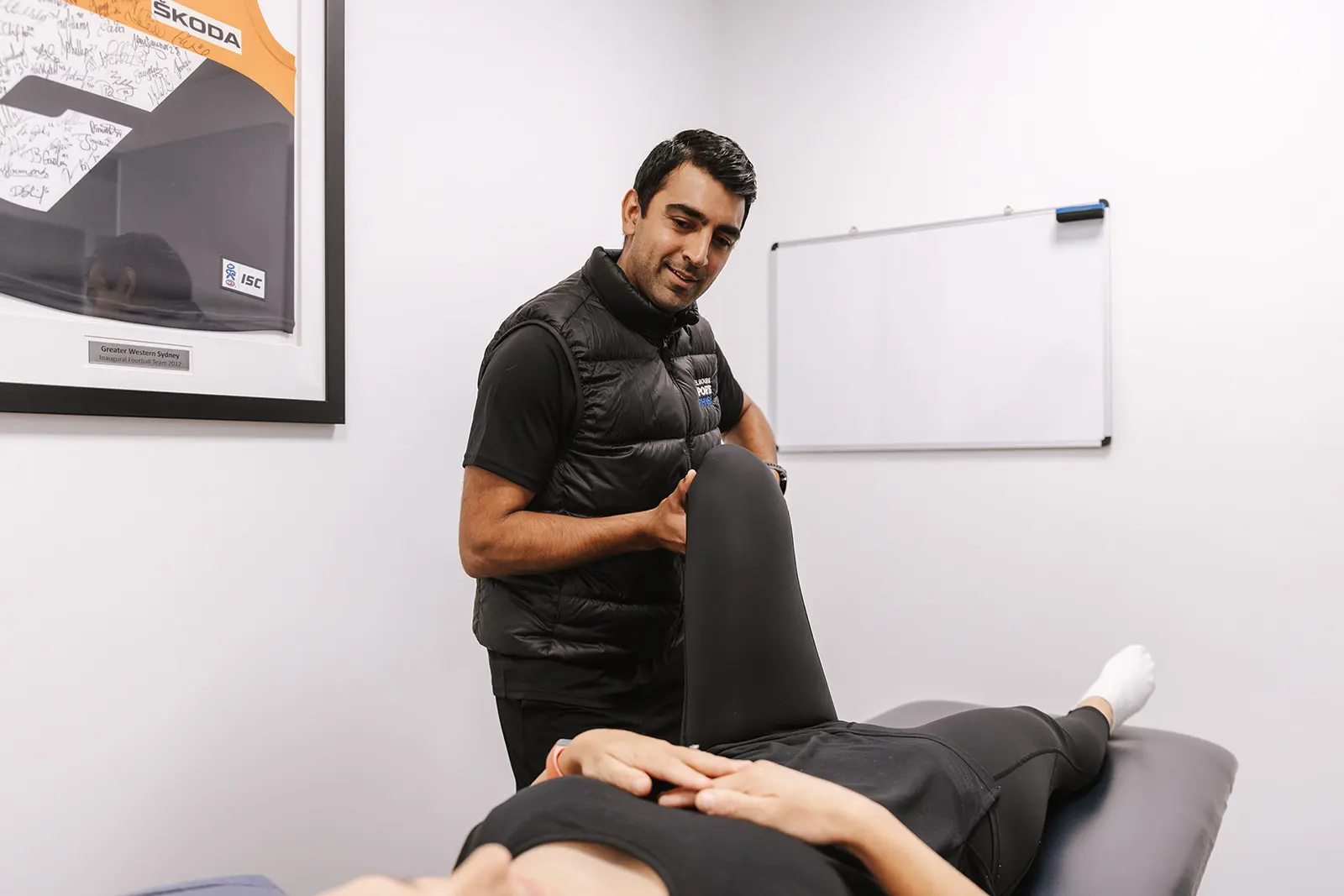
Whether you're chasing down a loose ball in an AFL match or accelerating into space during a soccer game, a groin strain can stop you in your tracks in an instant.
Many athletes initially dismiss groin pain as a minor niggle, hoping it will settle after a few days of rest. Unfortunately, this approach can sometimes turn a relatively straightforward injury into a longer-term problem. The first 72 hours after a groin strain are often critical in determining how quickly and successfully you return to sport.
Understanding what happens during those first few days and knowing when to seek professional advice can help reduce recovery time and minimise the risk of reinjury.
Book Online Now to Fix Your Body
What Is a Groin Strain?
A groin strain typically involves injury to one or more of the adductor muscles located on the inside of the thigh. These muscles play an important role in changing direction, kicking, sprinting, and stabilising the pelvis during movement.
Groin strains are particularly common in sports that involve rapid acceleration, deceleration, twisting, and kicking. This is why they frequently affect AFL players and soccer athletes.
The most commonly injured muscle is the adductor longus, although other muscles within the groin region may also be involved.
Research published in the British Journal of Sports Medicine has consistently identified groin injuries as one of the most common causes of missed playing time in football codes worldwide, including AFL and soccer.
What our clients are saying about us
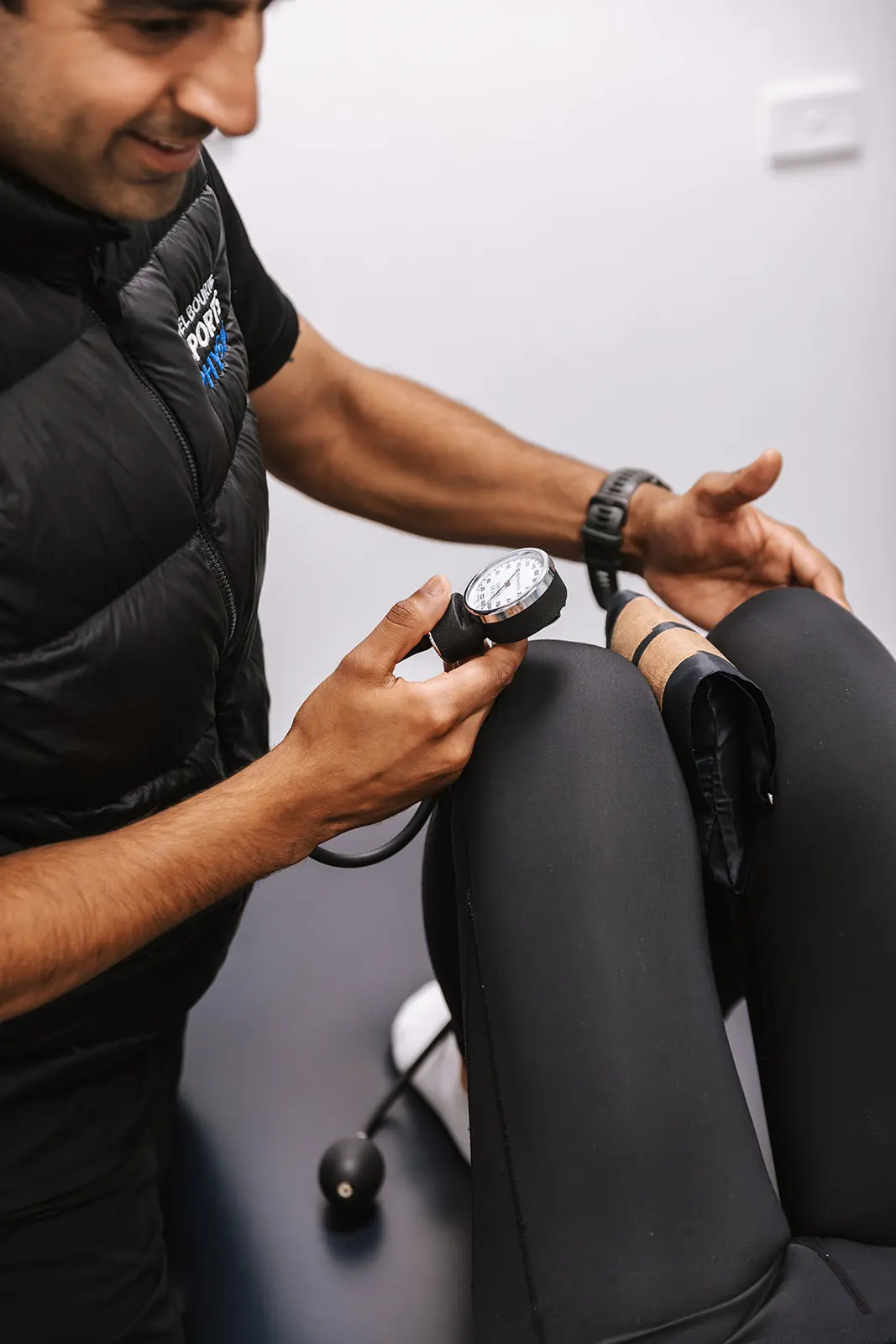
Common Signs of a Groin Strain
Symptoms can vary depending on the severity of the injury, but commonly include:
-
Sudden pain in the inner thigh or groin
-
Pain when sprinting or changing direction
-
Discomfort when kicking a ball
-
Tenderness when pressing on the affected area
-
Weakness when bringing the legs together
-
Swelling or bruising in more significant strains
Some athletes report feeling a sharp pulling sensation at the moment of injury, while others notice increasing discomfort over several hours after activity.
Why the First 72 Hours Matter
When a groin strain occurs, microscopic or larger tears develop within the muscle fibres. The body's natural healing process begins immediately.
During the first 72 hours, inflammation is an essential part of tissue repair. However, excessive loading or returning to activity too soon can disrupt this process and potentially worsen the injury.
The goal during this period is not to eliminate inflammation completely but to support optimal healing while avoiding further damage.
This is where early assessment and appropriate management become particularly important.
What to Do Immediately After a Groin Strain
Stop Playing
One of the most common mistakes athletes make is attempting to "run it off."
Continuing to play after a groin strain can increase the extent of muscle damage and significantly prolong recovery.
If you experience sudden groin pain during AFL, soccer, or another sporting activity, it is usually best to stop immediately and assess the injury.
Modify Your Activity
During the first few days, avoid movements that reproduce significant pain.
This may include:
-
Sprinting
-
Kicking
-
Jumping
-
Sharp directional changes
-
Heavy lower-body gym exercises
Walking is often tolerated in mild cases, although a noticeable limp may indicate a more significant injury.
Use Ice for Symptom Relief
Applying ice may help manage pain during the initial stages.
Consider applying ice wrapped in a towel for approximately 15 to 20 minutes every few hours during the first day or two.
While ice may assist with comfort, it should not be viewed as a treatment that accelerates healing.
Compression May Help
Compression garments or compression shorts can provide support and help some athletes feel more comfortable when moving.
Although compression will not repair the injury itself, it may reduce discomfort and improve confidence during daily activities.
Avoid Complete Bed Rest
Years ago, extended rest was often recommended for muscle injuries.
Current evidence suggests that complete inactivity is rarely beneficial.
Maintaining gentle movement within comfortable limits can support circulation and help prevent excessive stiffness.
The key is finding the right balance between protection and movement.
Book Online Now to Fix Your Body
What Not to Do in the First 72 Hours
Many athletes unintentionally delay recovery by making decisions based on how the injury feels in the moment.
Avoid:
-
Aggressive stretching of the groin
-
Deep tissue massage directly over the injury
-
Returning to training because pain has temporarily settled
-
Testing the injury with sprinting or kicking
-
Ignoring persistent symptoms
A common misconception is that stretching a strained muscle will speed up recovery. In reality, stretching too aggressively during the early healing phase may place unnecessary stress on damaged tissue.
When Should You See a Physiotherapist?
Early assessment can help determine the severity of the injury and guide appropriate management.
Seeking advice from a groin strain physio Melbourne athletes trust can be particularly valuable if:
-
Pain is severe
-
Walking is difficult
-
Symptoms are not improving after several days
-
You have experienced previous groin injuries
-
You have upcoming sporting commitments
-
There is significant bruising or swelling
Not all groin pain is a simple muscle strain. Hip joint issues, sports hernias, tendon injuries, and other conditions can sometimes present with similar symptoms.
A thorough assessment helps ensure the correct diagnosis from the outset.
How a Melbourne Sports Physio Can Help
One of the biggest advantages of early physiotherapy is developing a clear rehabilitation plan.
A physiotherapist will typically assess:
-
Pain levels
-
Strength deficits
-
Range of motion
-
Walking and running mechanics
-
Sport-specific demands
-
Risk factors for reinjury
Treatment may include:
-
Education on activity modification
-
Progressive strengthening exercises
-
Load management strategies
-
Running progression programs
-
Return-to-kicking protocols
-
Sport-specific rehabilitation
Research has shown that structured strengthening programs are highly effective for managing adductor-related groin injuries and reducing recurrence rates.
Book Online Now to Fix Your Body
How Long Does a Groin Strain Take to Heal?
Recovery depends largely on injury severity.
General timelines include:
Grade 1 (Mild)
-
Approximately 1 to 3 weeks
-
Minor muscle fibre damage
-
Minimal strength loss
Grade 2 (Moderate)
-
Approximately 3 to 8 weeks
-
More significant muscle tearing
-
Reduced strength and function
Grade 3 (Severe)
-
8 weeks +
-
Extensive tearing or complete rupture, with or without tendon involvement
-
May require specialist management
These timelines are estimates only and can vary considerably between individuals.
Returning too quickly remains one of the most common reasons athletes experience recurrent groin injuries.
Why Groin Injuries Often Return
Groin strains can be frustrating because they have relatively high recurrence rates.
Several factors contribute to reinjury:
-
Returning to sport too early
-
Incomplete rehabilitation
-
Ongoing strength deficits
-
Reduced hip mobility
-
Poor load management
-
Previous groin injury history
Research has found that athletes with a previous groin injury have a significantly increased risk of sustaining another groin problem.
This highlights the importance of addressing the underlying factors rather than simply waiting for symptoms to disappear.
Frequently Asked Questions
Can I Walk With a Groin Strain?
In many mild cases, yes.
However, walking should not significantly increase pain. If you are limping or experiencing substantial discomfort, professional assessment is recommended.
Should I Stretch a Groin Strain?
Not aggressively during the first 72 hours.
Early stretching may place additional stress on healing tissue. Mobility exercises are usually introduced gradually as symptoms settle.
Is Heat or Ice Better?
Ice may help manage pain during the initial stages.
Heat is generally introduced later when the acute inflammatory phase has settled.
Can I Keep Training Upper Body?
In many cases, yes.
Activities that do not aggravate the groin can often continue, although individual recommendations will depend on the injury.
How Do I Know If My Groin Strain Is Serious?
Signs that warrant assessment include:
-
Severe pain
-
Significant bruising
-
Difficulty walking
-
A popping sensation at the time of injury
-
Symptoms that fail to improve
Book Online Now to Fix Your Body
Final Thoughts
A groin strain may seem like a minor setback initially, but the decisions made during the first 72 hours can have a significant impact on recovery.
Stopping play early, avoiding unnecessary aggravation, maintaining appropriate activity levels, and seeking guidance when needed can all help optimise healing.
For AFL players, soccer athletes, and active individuals alike, a structured rehabilitation approach is often the difference between a smooth return to sport and an ongoing cycle of recurring groin pain.
If you need help managing a groin injury or would like an assessment from an experienced Melbourne Sports Physio that athletes trust, consider booking an appointment with a physiotherapist. Early assessment and tailored rehabilitation can help you return to sport with confidence. Appointments are available across Melbourne, including areas such as Essendon, St Kilda, Malvern East, and Blackburn.
Book online today to feel great & move well again!
Super Simple with Instant Confirmation & No Login Required!
For consultation fees and more information, please visit our Fees and FAQs page or call us on 03 9498 0205.
Some types of consultations may require pre-payment or a deposit. 100% Money Back Guarantee (T&Cs apply).
Learn how our Melbourne Sports Physio team can help you?
At Melbourne Sports Physiotherapy our goal is to get you moving pain free as soon as possible.
But, we also want you to actually move better and live a healthier, more active and fulfilling life!
If your sports, fitness training or work has been wearing your body down, book in with one of our expert massage therapists so we can help you reduce your pain or stiffness.
If you are showing some signs of this condition or simply want help prevent this from happening in the future then book in with one of our highly experienced Remedial Massage Therapists today!
You can make an appointment by calling or booking online.