


July 2026
Laura Kavanagh, Physiotherapist
Best Rehab Exercises After an ACL Injury (Week-by-Week Guide)
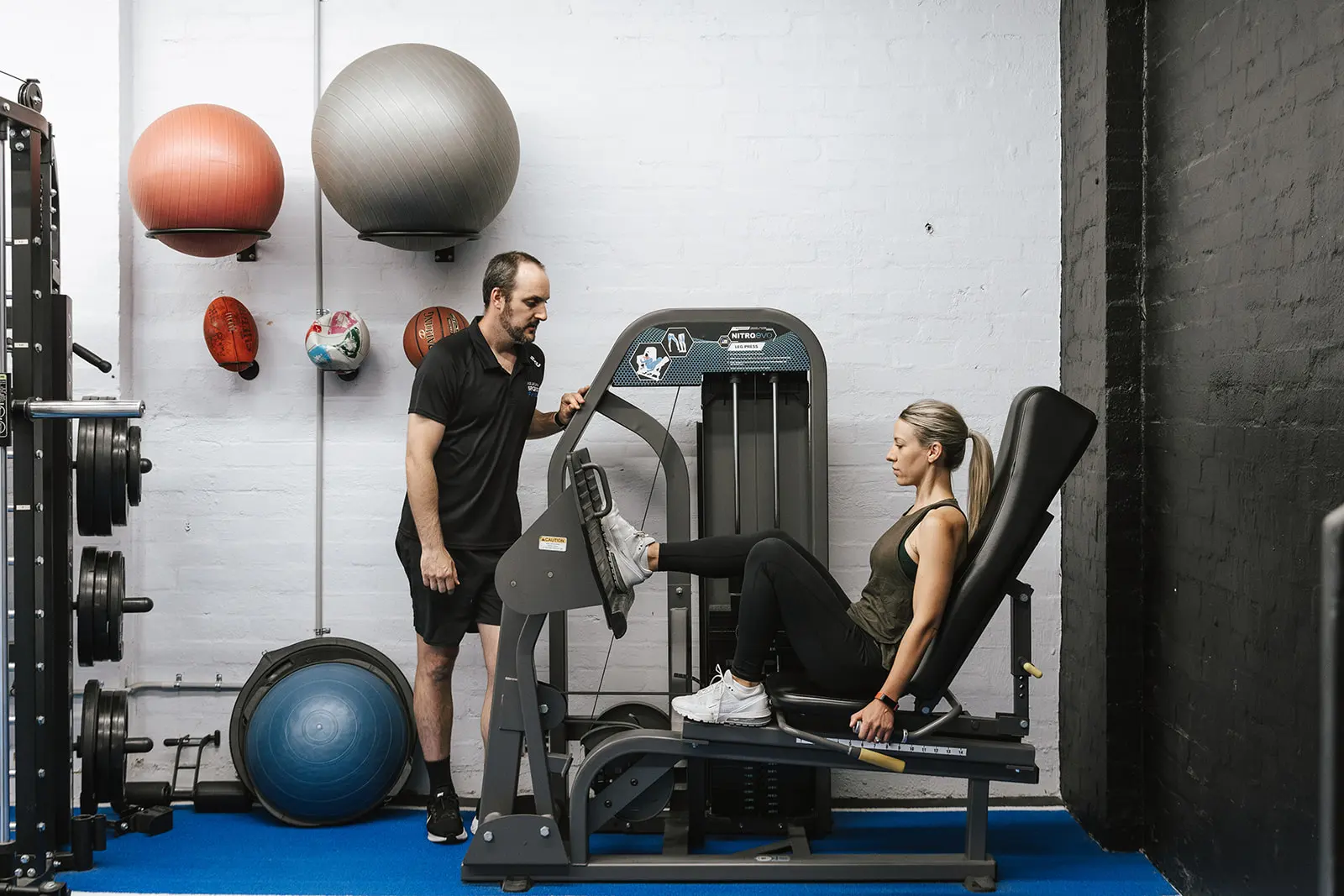
An ACL injury can be one of the most challenging setbacks for athletes.
Whether you've suffered an ACL rupture playing football, netball, basketball, skiing, or during recreational sport, one of the first questions you'll likely ask is:
"What should I be doing during rehab, and when?"
The answer isn't as simple as following a generic exercise list.
Successful ACL rehabilitation requires a structured, progressive program that restores strength, stability, confidence, and sport-specific performance while reducing the risk of reinjury.
Research shows that returning to sport before achieving appropriate strength and functional milestones significantly increases the risk of a second ACL injury. That's why a comprehensive rehabilitation plan is essential.
If you're looking for expert ACL rehab in Melbourne, understanding the rehabilitation process can help you set realistic expectations and make informed decisions throughout your recovery.
Book Online Now to Fix Your Body
Understanding ACL Rehabilitation Timelines
One of the biggest misconceptions surrounding ACL injuries is that recovery is complete after surgery or after a certain number of months.
In reality, recovery is milestone-based rather than time-based.
While every individual progresses differently, a general timeline looks like this:
|
Phase |
Approximate Timeline |
|
Reduce swelling and restore movement |
Weeks 0–2 |
|
Early strength development |
Weeks 2–6 |
|
Progressive strength training |
Weeks 6–12 |
|
Running progression |
Months 3–5 |
|
Jumping and agility training |
Months 5–8 |
|
Return-to-sport preparation |
Months 8–12+ |
Many athletes require at least 9–12 months or longer before returning safely to competitive sport.
What our clients are saying about us
Weeks 0–2: Regain Movement and Control Swelling
Goals
-
Reduce swelling
-
Restore full knee extension
-
Improve knee bending
-
Re-establish quadriceps activation
-
Improve walking mechanics
Recommended Exercises
Heel Slides
-
A simple exercise that helps restore knee flexion while minimising stiffness.
Isometric Quadriceps
-
Activating the quadriceps early is crucial, as these muscles often "switch off" following injury or surgery.
Straight Leg Raises
-
Builds early quadriceps strength without placing excessive stress on the knee.
Calf Pumps
-
Promotes circulation and assists with swelling management.
Knee Extension Stretch
-
Restoring full knee extension is one of the most important early rehabilitation goals.
Weeks 2–6: Build a Strong Foundation
Goals
-
Restore normal walking
-
Increase lower-limb strength
-
Improve weight-bearing tolerance
-
Begin balance retraining
Recommended Exercises
Mini Squats
-
Develops quadriceps strength while maintaining good knee control.
Sit-to-Stand Exercises
-
Improves functional lower-body strength.
Step-Ups
-
Helps restore confidence and single-leg control.
Glute Bridges
-
Targets the posterior chain, including the glutes and hamstrings.
Single-Leg Balance Drills
-
Improves proprioception and joint awareness.
Weeks 6–12: Strength Development Phase
This phase is where rehabilitation becomes more challenging and performance-focused.
Goals
-
Restore quadriceps strength
-
Improve lower-limb symmetry
-
Enhance balance and control
-
Prepare for higher-level movement
Book Online Now to Fix Your Body
Recommended Exercises
Split Squats
-
Builds single-leg strength and stability.
Reverse Lunges
-
Challenges movement control while increasing lower-limb strength.
Leg Press
-
Allows progressive strength loading.
Romanian Deadlifts
-
Develops hamstring and glute strength.
Single-Leg Squats
-
Improves dynamic control and movement quality.
Months 3–5: Return to Running
Running is one of the most anticipated milestones after an ACL injury.
However, returning to running should be based on objective criteria rather than simply reaching a certain date on the calendar.
Physiotherapists typically assess:
-
Strength levels
-
Swelling response
-
Movement quality
-
Single-leg control
Running Progression
Walking
↓
Walk-Jog Intervals
↓
Continuous Jogging
↓
Tempo Running
↓
Acceleration Drills
Each stage should be completed comfortably before progressing.
Book Online Now to Fix Your Body
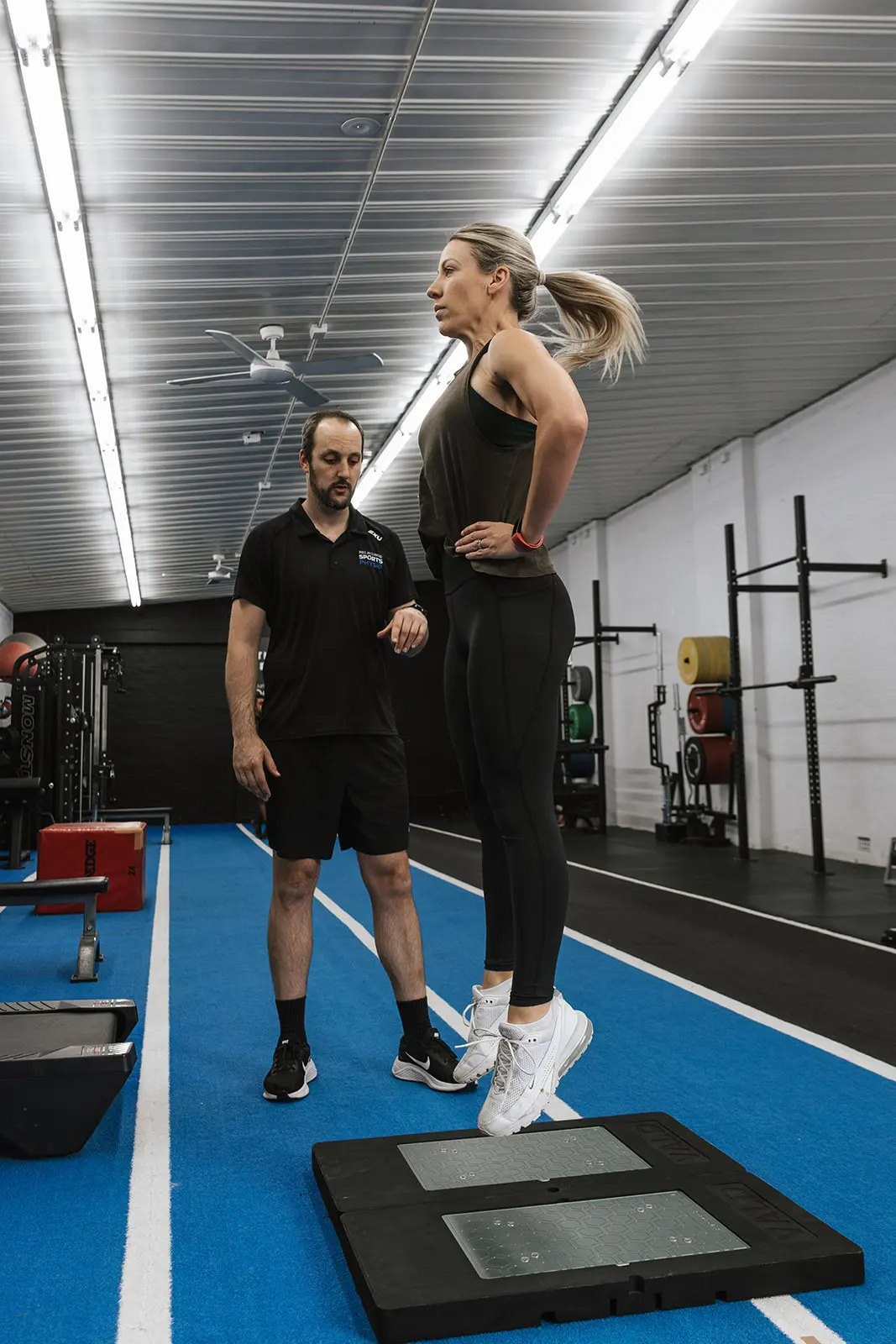
Months 5–8: Jumping, Landing and Agility
This phase prepares the body for the demands of sport.
Goals
-
Improve power production
-
Enhance landing mechanics
-
Develop agility
-
Build confidence
Recommended Exercises
Box Landings
-
Focuses on controlled landing technique.
Broad Jumps
-
Develops explosive power.
Single-Leg Hops
-
Builds strength and stability.
Lateral Hops
-
Introduces side-to-side movement demands.
Agility Ladder Drills
-
Improves coordination and movement control.
Months 8–12+: Return-to-Sport Training
The final phase prepares athletes for unrestricted sports participation.
Goals
-
Restore sport-specific performance
-
Improve cutting and pivoting ability
-
Reduce reinjury risk
-
Build match fitness
Recommended Drills
-
Change-of-Direction Drills
-
Deceleration Training
-
Reactive Agility Exercises
-
Sprint Progressions
-
Sport-Specific Skills
The focus shifts from rehabilitation to performance.
Book Online Now to Fix Your Body
What Most ACL Rehab Blogs Don't Talk About
Many rehabilitation programs focus heavily on the knee itself.
However, research increasingly highlights the importance of:
-
Hip Strength
Weak hip muscles can alter landing and cutting mechanics.
-
Trunk Control
Core stability influences lower-limb alignment during sport.
-
Movement Efficiency
How you move is often just as important as how strong you are.
-
Psychological Readiness
Athletes who lack confidence in their knee may unconsciously change movement patterns, increasing injury risk.
Successful rehabilitation addresses all of these factors—not just strength alone.
Common Mistakes During ACL Rehabilitation
Returning to Sport Too Early
-
Many athletes feel physically ready before they are objectively ready.
Ignoring Strength Deficits
-
Significant differences between limbs can persist long after symptoms disappear.
-
Research in the British Journal of Sports Medicine recommends achieving at least 90% strength symmetry between limbs as part of return-to-sport criteria after ACL reconstruction.
Skipping Rehabilitation Sessions
-
Consistency is one of the strongest predictors of successful outcomes.
Focusing Only on the Knee
-
The hips, core, calves, and entire kinetic chain contribute to athletic performance and injury prevention.
Comparing Your Progress to Others
-
Every ACL injury, rehabilitation journey and athlete is unique.
Book Online Now to Fix Your Body
Why Professional ACL Rehab Matters
ACL rehabilitation is one of the most complex programs in sports physiotherapy.
A structured rehabilitation plan can help:
-
Restore strength safely
-
Improve movement quality
-
Monitor progress objectively
-
Reduce the risk of reinjury
-
Guide return-to-sport decisions
If you're searching for ACL rehab Melbourne, working with a physiotherapist experienced in ACL rehabilitation can help ensure your recovery is both safe and effective.
Frequently Asked Questions (FAQ)
How long does ACL rehab take?
Most individuals require 9–12 months or longer before returning to competitive sport. Recovery timelines vary depending on the injury, surgery, sport, and individual progress.
Book Online Now to Fix Your Body
Can I recover from an ACL injury without surgery?
Some people can successfully manage an ACL injury without surgery, particularly if they do not participate in high-demand pivoting sports. A physiotherapy assessment can help determine the most appropriate pathway.
When can I start running after ACL surgery?
Many individuals begin a structured running program between 3–5 months, provided they meet strength and functional criteria.
What is the most important exercise after ACL surgery?
There is no single most important exercise. Successful rehabilitation requires a combination of quadriceps strengthening, balance training, running progression, jumping drills, and sport-specific exercises.
Why does my knee still feel weak months after surgery?
Quadriceps weakness is extremely common after ACL reconstruction and may persist for many months without targeted strengthening. A physiotherapy assessment can help create an appropriate rehabilitation programme.
When can I return to sport after an ACL injury?
Most athletes require at least 9–12 months of structured rehabilitation before returning to competitive sport. Return-to-sport decisions should be based on objective testing rather than time alone.
Book Online Now to Fix Your Body
Do I need physiotherapy after ACL reconstruction?
Yes. Physiotherapy plays a critical role in restoring movement, strength, confidence, and sport-specific function while helping reduce the risk of reinjury.
Book online today to feel great & move well again!
Super Simple with Instant Confirmation & No Login Required!
For consultation fees and more information, please visit our Fees and FAQs page or call us on 03 9498 0205.
Some types of consultations may require pre-payment or a deposit. 100% Money Back Guarantee (T&Cs apply).
Learn how our Melbourne Sports Physio team can help you?
At Melbourne Sports Physiotherapy our goal is to get you moving pain free as soon as possible.
But, we also want you to actually move better and live a healthier, more active and fulfilling life!
If your sports, fitness training or work has been wearing your body down, book in with one of our expert massage therapists so we can help you reduce your pain or stiffness.
If you are showing some signs of this condition or simply want help prevent this from happening in the future then book in with one of our highly experienced Remedial Massage Therapists today!
You can make an appointment by calling or booking online.