


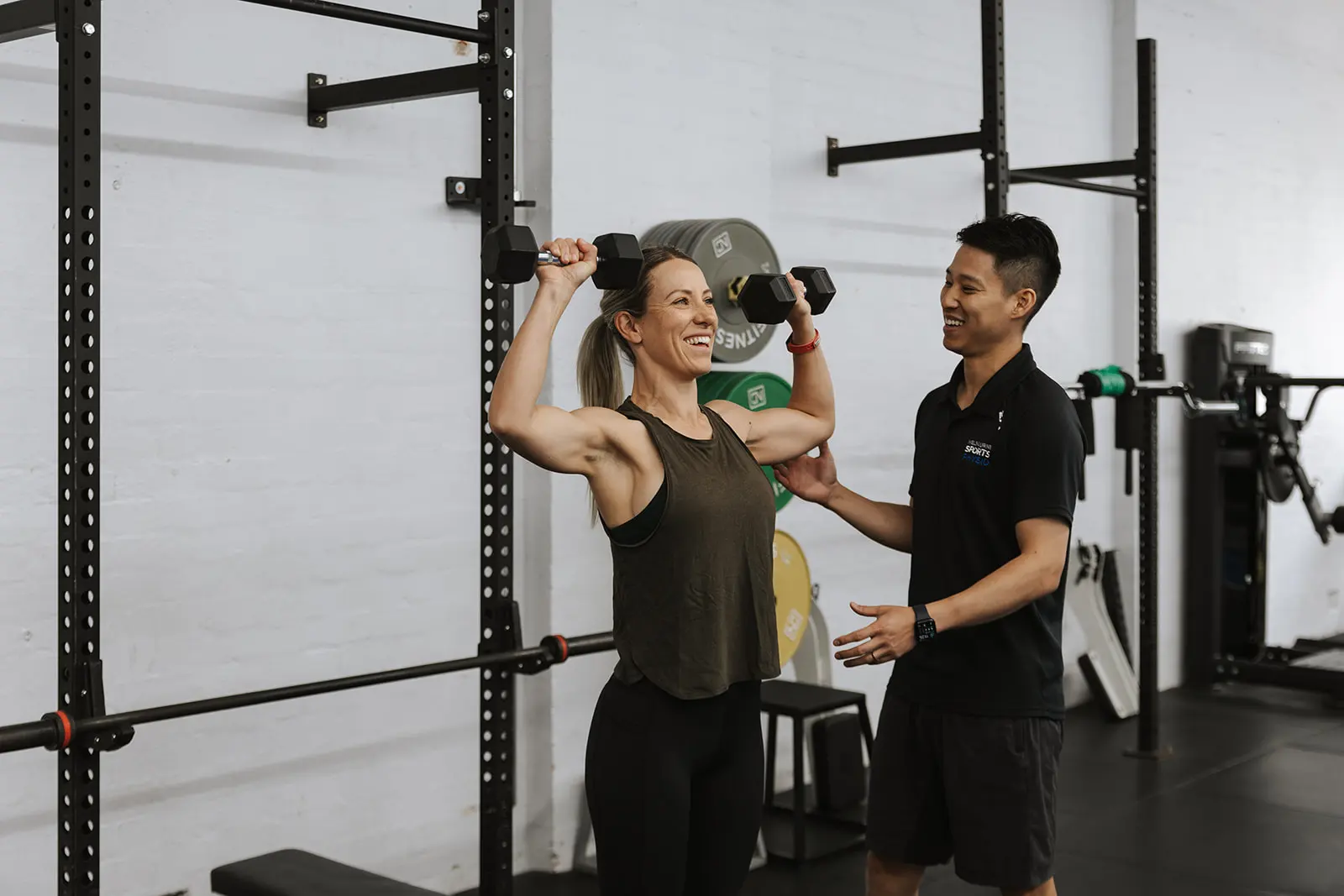
What Is the Rotator Cuff?
The rotator cuff is a group of four muscles and tendons that stabilise the shoulder joint and help you lift and rotate your arm. These muscles work together to keep the shoulder moving smoothly during daily activities and sport.
The four muscles are:
-
Supraspinatus
-
Infraspinatus
-
Teres minor
-
Subscapularis
Because the shoulder is one of the most mobile joints in the body, it relies heavily on these muscles for stability. When one or more tendons become irritated, inflamed, weak, or torn, pain and dysfunction can occur.
According to research published in the Journal of Shoulder and Elbow Surgery, rotator cuff tears affect approximately 20% of the general population, with prevalence increasing significantly after the age of 50.
Book Online Now to Manage Your Body
Common Signs and Symptoms of Rotator Cuff Injuries
Rotator cuff injuries don’t always start with severe pain. In many cases, symptoms develop slowly over time.
Here are some of the most common warning signs:
-
Pain when lifting the arm overhead
-
Weakness during pushing or pulling movements
-
Difficulty sleeping on the affected side
-
Clicking or catching sensations in the shoulder
-
Reduced shoulder mobility
-
Pain when reaching behind the back
-
Shoulder fatigue during sport or work activities
Some people describe the pain as a deep ache inside the shoulder, while others experience sharp pain during movement.
If left untreated, symptoms can worsen over time and begin affecting work, sleep, exercise, and daily function.
What our clients are saying about us
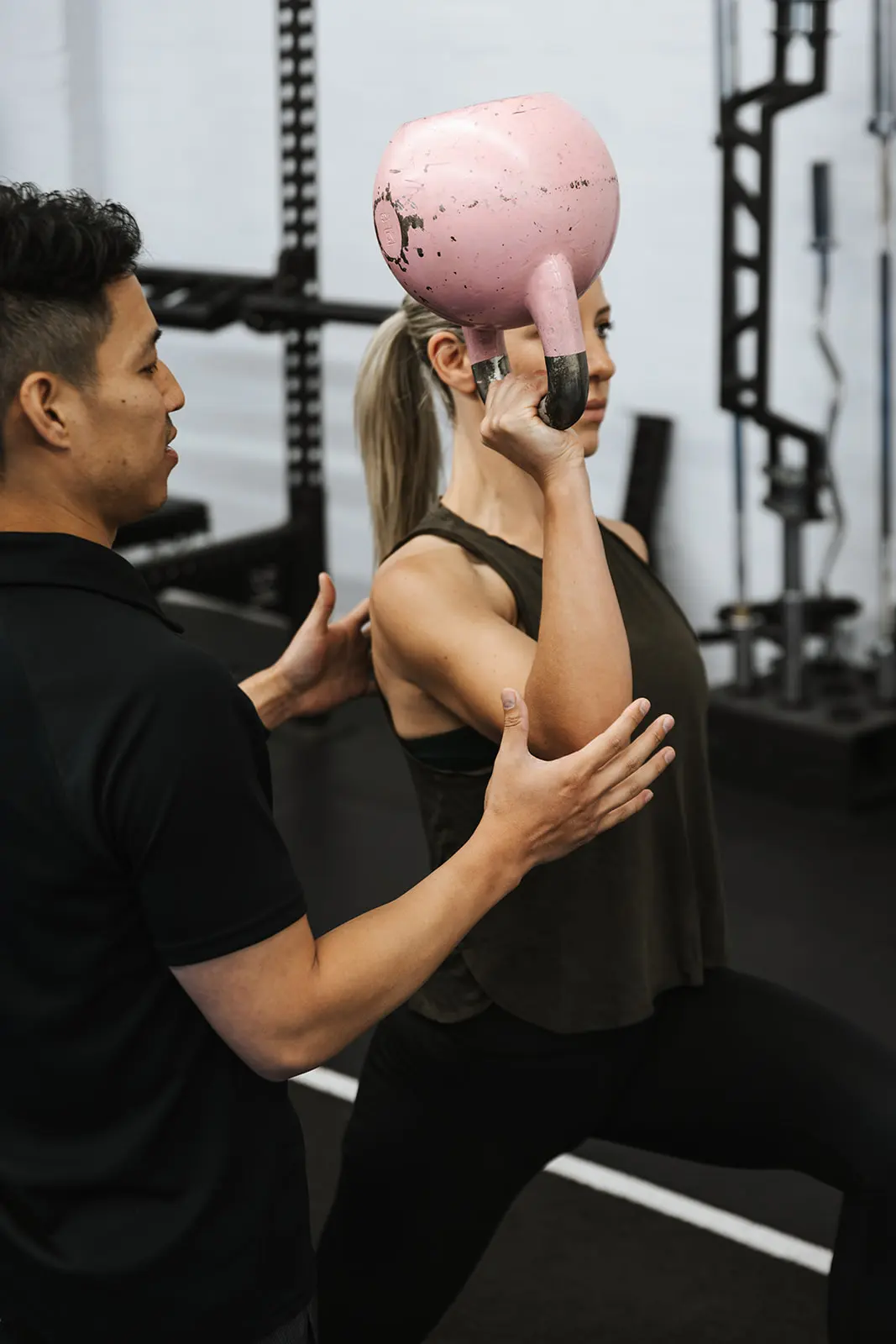
Rotator Cuff Pain: Why Shoulder Injuries Are So Common
People searching for Rotator Cuff Pain Melbourne are often dealing with pain caused by repetitive movement patterns and modern lifestyles.
In Melbourne, shoulder injuries are common among:
-
Office workers spending long hours at desks
-
Gym-goers performing repetitive overhead exercises
-
Tennis and swimming athletes
-
Tradies and manual labourers
-
Golfers and recreational sports players
Poor posture, prolonged sitting, and reduced upper back mobility can place extra strain on the shoulder joint. Over time, this can lead to tendon irritation and weakness.
One important fact many blogs overlook is that shoulder pain is not always purely a shoulder problem. Stiffness in the thoracic spine, poor scapular control, and neck dysfunction can all contribute to rotator cuff overload.
This is why physiotherapy focuses on the entire movement system, not just the painful area.
What Causes Rotator Cuff Injuries?
Rotator cuff injuries can happen suddenly or develop gradually over time.
Acute Injuries
These occur from trauma such as:
-
Falling onto the shoulder
-
Heavy lifting
-
Sporting collisions
-
Sudden pulling movements
Overuse Injuries
These are more common and develop slowly due to:
-
Repetitive overhead activity
-
Poor posture
-
Muscle imbalances
-
Weak shoulder stabilisers
-
Poor training technique
Many people continue training through discomfort, which often worsens tendon irritation and delays recovery.
Research published in The Lancet shows that exercise-based rehabilitation is one of the most effective first-line treatments for rotator cuff-related shoulder pain.
Book Online Now to Fix Your Body
Rotator Cuff Pain Melbourne: When Should You See a Physiotherapist?
Many people wait too long before seeking treatment. A common mistake is resting completely and hoping the pain disappears. While temporary rest may reduce irritation, avoiding movement altogether can lead to stiffness and muscle weakness.
You should consider physiotherapy if:
-
Pain lasts longer than 1–2 weeks
-
Sleep is disrupted
-
Shoulder weakness is increasing
-
You cannot train normally
-
Daily tasks become difficult
-
Pain keeps returning
Early intervention is important because small issues can become chronic if movement patterns and muscle control are not corrected.
For people dealing with Rotator Cuff Pain, physiotherapy can help identify the root cause rather than simply masking symptoms with medication.
How Physiotherapy Helps Rotator Cuff Injuries
Physiotherapy is one of the most effective non-surgical treatments for rotator cuff injuries.
A physiotherapist will assess:
-
Shoulder mobility
-
Strength deficits
-
Posture
-
Scapular control
-
Neck and upper back function
-
Movement mechanics
Treatment is then tailored to your specific condition and goals.
Book Online Now to Help Your Body
1. Pain Reduction
Early treatment focuses on reducing irritation and inflammation through:
-
Manual therapy
-
Activity modification
-
Soft tissue techniques
-
Load management strategies
This helps calm the shoulder without completely stopping movement.
2. Restoring Mobility
Many rotator cuff injuries involve stiffness in both the shoulder and thoracic spine. Improving mobility helps reduce unnecessary strain on the tendons.
Exercises may include:
-
Thoracic rotation drills
-
Shoulder mobility exercises
-
Stretching techniques
-
Joint mobilisation
3. Strengthening the Rotator Cuff
Once pain settles, strengthening becomes essential.
Research consistently shows that progressive resistance exercise improves pain and shoulder function in rotator cuff injuries.
Exercises may target:
-
External rotation strength
-
Scapular stability
-
Shoulder endurance
-
Serratus anterior activation
-
Rotator cuff control during movement
Importantly, rehab should be gradual. Doing too much too soon can aggravate symptoms.
4. Correcting Movement Patterns
One of the biggest mistakes people make is focusing only on isolated shoulder exercises.
Physiotherapy also addresses:
-
Posture
-
Lifting mechanics
-
Training technique
-
Sporting movement patterns
-
Workstation ergonomics
This reduces the risk of re-injury and improves long-term outcomes.
Can Rotator Cuff Injuries Heal Without Surgery?
Yes — many can.
Not every tear requires surgery. In fact, studies show that many partial tears and degenerative tendon injuries respond extremely well to physiotherapy.
A systematic review published in the British Journal of Sports Medicine found that exercise therapy significantly improves pain and function in patients with rotator cuff-related shoulder pain.
Surgery may only be considered if:
-
There is a large traumatic tear
-
Significant weakness is present
-
Symptoms persist despite rehab
-
Daily function is severely limited
For most people, conservative management should be the first step.
Rotator Cuff Pain: Exercises That Often Help
While exercises should always be individualised, some commonly prescribed movements include:
-
Band external rotations
-
Wall slides
-
Scapular retraction drills
-
Isometric shoulder holds
-
Serratus punches
-
Thoracic mobility rotations
However, exercises should not simply be copied from social media or generic online videos. Incorrect loading or poor technique can worsen symptoms.
A physiotherapist can guide you through the right progressions based on your stage of recovery.
Recovery Timelines: How Long Does It Take?
Recovery varies depending on:
-
Severity of injury
-
Age
-
Activity level
-
Tendon health
-
Consistency with rehab
General timelines:
-
Mild irritation: 2–6 weeks
-
Tendinopathy: 6–12 weeks
-
Partial tears: Several months
-
Post-surgical rehab: 4–6+ months
One important point many people underestimate is consistency. Shoulder rehab requires progressive loading over time. Quick fixes rarely provide lasting results.
Book Online Now to Help Your Body
Tips to Prevent Future Shoulder Injuries
Preventing rotator cuff injuries is often easier than treating them.
Helpful strategies include:
-
Strengthening shoulder stabilisers
-
Improving posture
-
Taking breaks from repetitive work
-
Warming up properly before training
-
Improving thoracic mobility
-
Avoiding sudden increases in training load
Sleep also matters more than many people realise. Poor sleep quality has been linked to increased pain sensitivity and slower tissue recovery.
Why Ignoring Shoulder Pain Can Make Things Worse
One of the biggest misconceptions about shoulder pain is that it’s normal to “push through it.”
Ignoring symptoms can lead to:
-
Chronic tendon irritation
-
Reduced shoulder strength
-
Compensatory neck pain
-
Loss of mobility
-
Increased risk of tearing
The earlier you address the issue, the better the long-term outcome is likely to be.
Book Online Now to Assist Your Body
Final Thoughts
Rotator cuff injuries are extremely common, but they don’t have to become long-term problems. Whether your pain developed gradually from training and posture or suddenly after an injury, physiotherapy can play a major role in recovery.
The key is identifying the cause early, restoring movement, improving strength, and correcting the underlying mechanics contributing to the problem.
If you’re experiencing ongoing shoulder pain, difficulty lifting your arm, or disrupted sleep, don’t ignore the warning signs. Seeking professional physiotherapy advice early can help reduce pain, restore function, and get you back to the activities you enjoy.
If you’ve been searching for answers about Rotator Cuff Pain, a personalised physiotherapy assessment can help determine the best treatment pathway for your recovery goals.
Don’t wait until the pain becomes severe. Early treatment often leads to faster and more effective results.
Book online today to feel great & move well again!
Super Simple with Instant Confirmation & No Login Required!
For consultation fees and more information, please visit our Fees and FAQs page or call us on 03 9498 0205.
Some types of consultations may require pre-payment or a deposit. 100% Money Back Guarantee (T&Cs apply).
Learn how our Melbourne Sports Physio team can help you?
At Melbourne Sports Physiotherapy our goal is to get you moving pain free as soon as possible.
But, we also want you to actually move better and live a healthier, more active and fulfilling life!
If your sports, fitness training or work has been wearing your body down, book in with one of our expert massage therapists so we can help you reduce your pain or stiffness.
If you are showing some signs of this condition or simply want help prevent this from happening in the future then book in with one of our highly experienced Remedial Massage Therapists today!
You can make an appointment by calling or booking online.