


June 2026
Laura Kavanagh, Physiotherapist
Hamstring Rehab Melbourne: Recovery Timelines, Expert Rehab Tips & Returning to Sport Safely
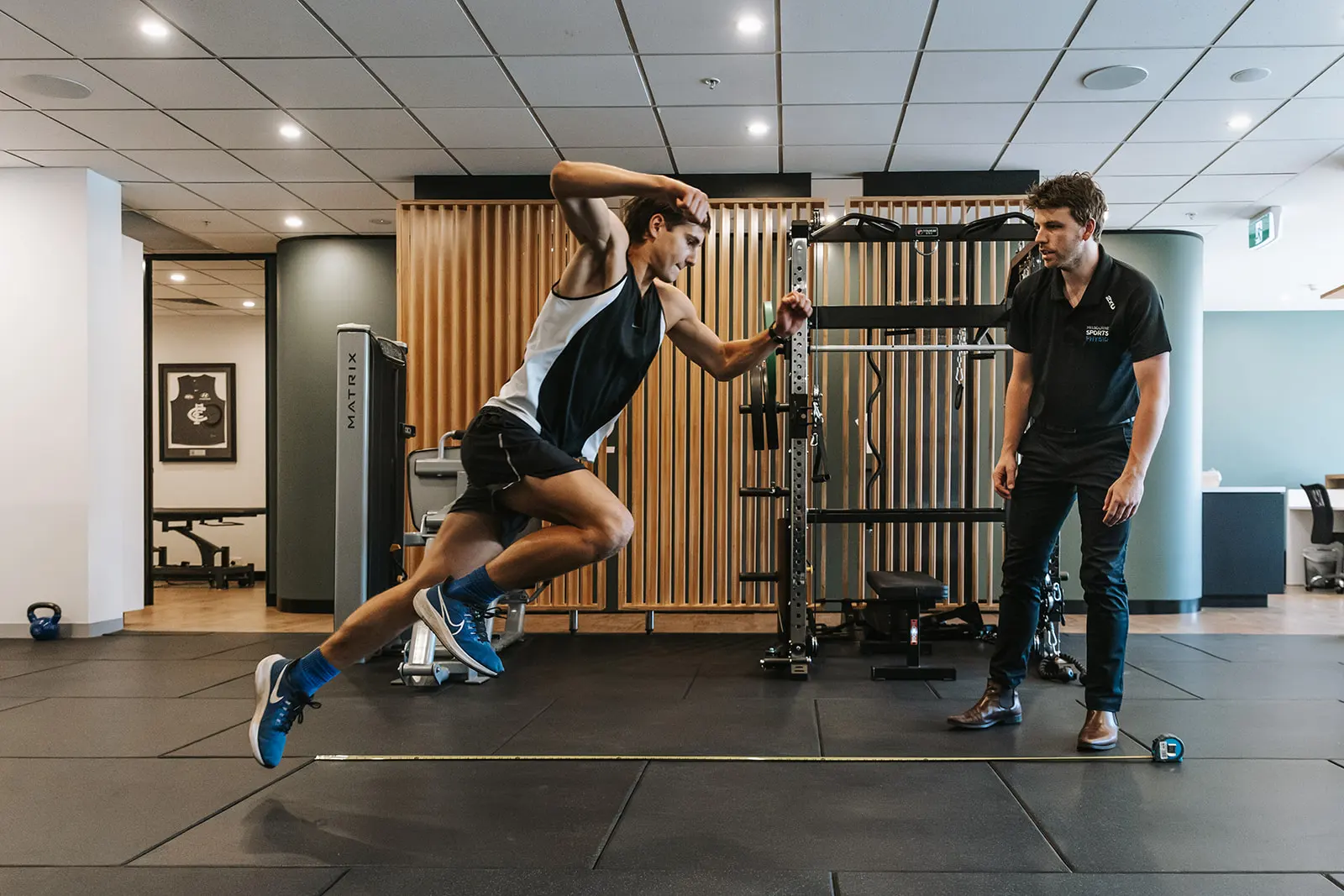
The Sprint That Changed Everything
Tom was playing local football in Melbourne when it happened.
Midway through the third quarter, he accelerated to chase an opponent. Two strides later, he felt a sudden sharp pain in the back of his thigh. He immediately stopped and grabbed his leg.
His teammates assumed it was a cramp.
Tom hoped it was too.
Unfortunately, it wasn't.
After assessment, he was diagnosed with a hamstring strain—a common injury that affects everyone from weekend warriors to elite AFL players.
Like most athletes, Tom's first question wasn't "What happened?"
It was:
"How long until I can play again?"
If you've recently injured your hamstring, you're probably asking the same question.
The answer depends on the severity of the injury, your rehabilitation program, and whether you're following evidence-based physiotherapy principles.
Book Online Now to Fix Your Body
Why Hamstring Injuries Are So Common in Sport
Hamstring injuries are among the most frequent injuries in running and field sports.
Research published in the British Journal of Sports Medicine consistently shows that hamstring strains account for a significant proportion of muscle injuries in sports involving:
-
Sprinting
-
Accelerating
-
Decelerating
-
Kicking
-
Jumping
Common sports include:
-
AFL
-
Soccer
-
Rugby
-
Cricket
-
Athletics
-
Basketball
-
Hockey
One reason hamstring injuries are so problematic is their high recurrence rate.
Studies report recurrence rates ranging from approximately 15–30%, with many reinjuries occurring within the first few months after return to sport.
What our clients are saying about us
Understanding Hamstring Injury Grades
Not all hamstring injuries are equal.
Grade 1 Hamstring Injury
Characteristics
-
Minor muscle fibre damage
-
Mild pain or discomfort
-
Slight tightness or stiffness
-
Minimal strength loss
-
Walking usually remains comfortable
Typical Recovery Timeline
1–3 weeks
Athletes can often continue some level of activity in conjunction with appropriate rehabilitation
Grade 2 Hamstring Injury
Characteristics
-
Partial muscle tear
-
Moderate pain
-
Reduced strength
-
Difficulty running
Typical Recovery Timeline
4–8 weeks
This is the most common sporting hamstring injury seen in physiotherapy clinics.
Grade 3 Hamstring Tear
Characteristics
-
Significant muscle tear
-
Severe pain
-
Significant swelling and extensive bruising
-
Marked weakness and reduced range of motion
-
Difficulty weightbearing
Typical Recovery Timeline
3–6 months or longer
Some severe tears may require surgical consultation.
Book Online Now to Fix Your Body
The Biggest Mistake Athletes Make
Many athletes focus exclusively on pain.
Once pain settles, they assume they're ready to return.
Unfortunately, hamstring healing and hamstring readiness are not the same thing.
Pain often improves before:
-
Strength is restored
-
Sprint capacity returns
-
Tissue tolerance normalises
-
Injury risk decreases
Returning too early dramatically increases reinjury risk.
This is why structured hamstring rehab in Melbourne should focus on objective testing rather than simply waiting for symptoms to disappear.
Phase 1: Early Hamstring Rehabilitation
Goals
-
Reduce pain
-
Protect healing tissue
-
Maintain mobility
-
Preserve general fitness
Early management may include:
-
Relative rest
-
Gentle mobility exercises
-
Isometric strengthening
-
Modified cardiovascular exercise
Contrary to older advice, complete rest is rarely the best solution.
Appropriately loaded rehabilitation often produces better outcomes.
Book Online Now to Fix Your Body
Phase 2: Strength Restoration
Once symptoms improve, progressive strengthening becomes essential.
Key Exercises
-
Hamstring bridges
-
Romanian deadlifts
-
Split squats
-
Hip hinge variations
Strength deficits are one of the most overlooked contributors to recurrent hamstring injuries.
Phase 3: The Exercise Most Athletes Fear
Nordic Hamstring Curls
The Nordic Hamstring Exercise has become one of the most researched injury-prevention exercises in sport.
A systematic review and meta-analysis by van Dyk et al. (2019) reported that Nordic hamstring training can reduce hamstring injury rates by approximately 50%.
Benefits
-
Improves eccentric strength
-
Increases muscle resilience
-
Reduces future injury risk
-
Enhances sprint performance potential
Many rehabilitation programs stop before athletes develop sufficient eccentric strength.
This can leave them vulnerable when they return to high-speed running.
Book Online Now to Fix Your Body
Phase 4: Running Rehabilitation
One of the least discussed aspects of hamstring rehabilitation is sprint exposure.
Many athletes regain gym strength but fail to reintroduce speed progressively.
A successful return-to-sport program should gradually include:
Jogging
-
Low-speed running tolerance.
Tempo Running
-
Controlled increases in intensity.
Accelerations
-
Progressive speed development.
Maximal Sprinting
-
Sport-specific preparation.
-
This phase is particularly important because most hamstring injuries occur during high-speed running.
What Most Blogs Don't Talk About: The Role of Fatigue
Fatigue is a major contributor to hamstring injuries.
Many injuries occur:
-
Late in games
-
During congested schedules
-
Following inadequate recovery
Factors contributing to fatigue include:
-
Poor sleep
-
Training overload
-
Reduced recovery
-
Travel demands
-
Nutritional deficiencies
Addressing these factors can significantly improve rehabilitation outcomes and reduce recurrence risk.
Book Online Now to Fix Your Body
When Are You Ready to Return to Sport?
While recovery timelines provide a useful guide, return-to-sport decisions should be based on objective measures of readiness.
Physiotherapists commonly assess:
-
Strength
-
Less than 10% strength asymmetry between limbs.
-
Sprint Capacity
-
Ability to tolerate near-maximal speed.
-
Functional Testing
-
Sport-specific movement performance.
-
Confidence
-
Psychological readiness to compete.
-
Training Exposure
-
Completion of unrestricted training sessions.
Meeting these benchmarks provides a safer return to sport than relying solely on time-based recovery estimates.
Book Online Now to Fix Your Body
Why Seek Professional Hamstring Rehab in Melbourne?
A personalised rehabilitation program can help:
-
Accelerate recovery
-
Reduce reinjury risk
-
Restore confidence
-
Improve running mechanics
-
Guide return-to-sport decisions
Whether you're an AFL player, runner, soccer athlete, or weekend sports enthusiast, structured physiotherapy can provide objective milestones that improve outcomes.
If you're dealing with a hamstring strain, don't wait until it becomes a recurring problem. Seeking professional hamstring rehab in Melbourne early can make a significant difference to both recovery speed and long-term performance.
Book a physiotherapy assessment if you're experiencing hamstring pain, have recently suffered a strain, or want expert guidance on returning to sport safely.
The sooner rehabilitation starts, the sooner you can return to doing what you love.
Book online today to feel great & move well again!
Super Simple with Instant Confirmation & No Login Required!
For consultation fees and more information, please visit our Fees and FAQs page or call us on 03 9498 0205.
Some types of consultations may require pre-payment or a deposit. 100% Money Back Guarantee (T&Cs apply).
Learn how our Melbourne Sports Physio team can help you?
At Melbourne Sports Physiotherapy our goal is to get you moving pain free as soon as possible.
But, we also want you to actually move better and live a healthier, more active and fulfilling life!
If your sports, fitness training or work has been wearing your body down, book in with one of our expert massage therapists so we can help you reduce your pain or stiffness.
If you are showing some signs of this condition or simply want help prevent this from happening in the future then book in with one of our highly experienced Remedial Massage Therapists today!
You can make an appointment by calling or booking online.