


August 2026
Bethany Robson, Physiotherapist
Sciatica Explained: Symptoms, Causes & Physiotherapy Treatment
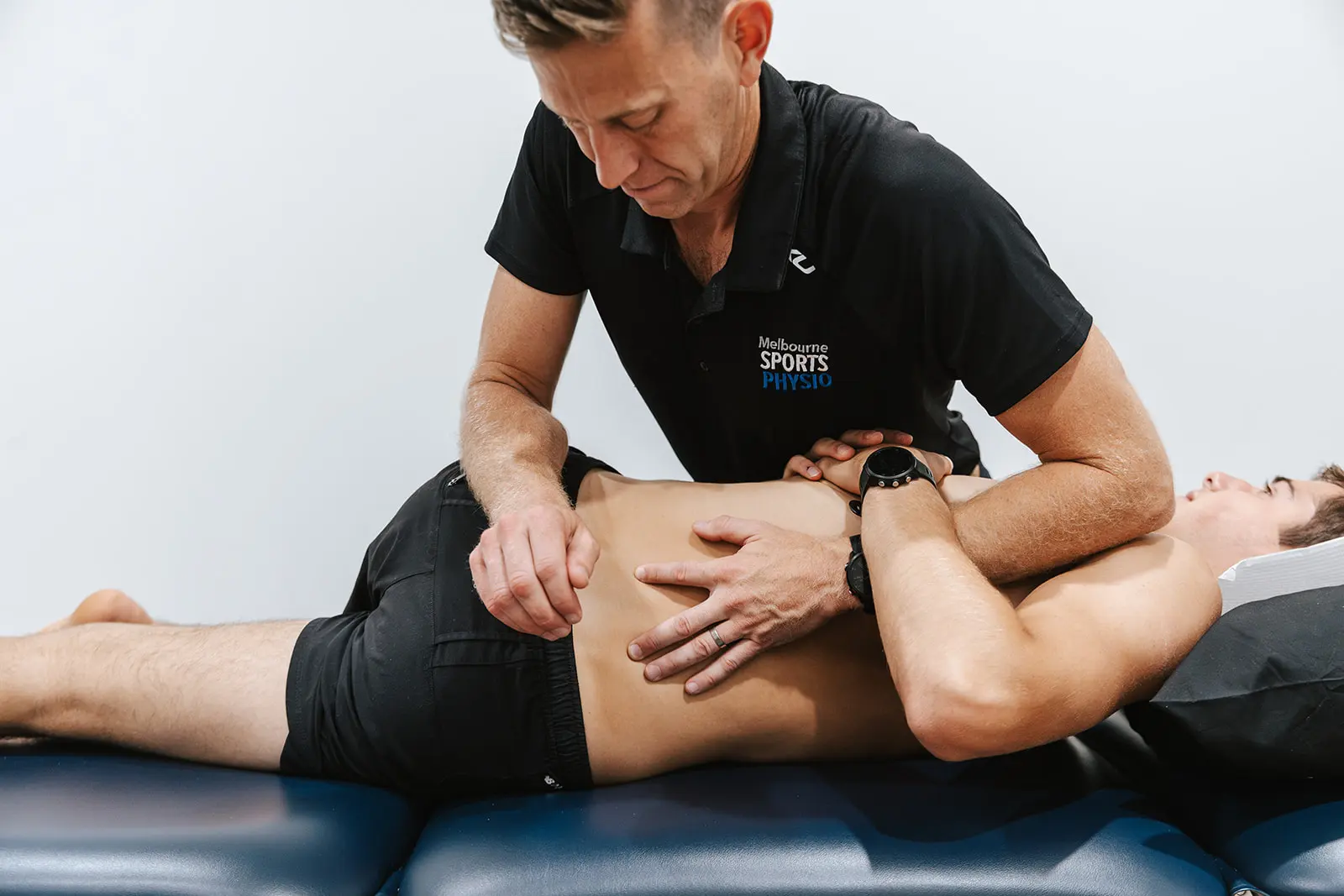
If you're experiencing pain that starts in your lower back and travels down your leg, you may be dealing with sciatica. This common condition can make everyday activities like walking, sitting, driving or even sleeping uncomfortable. The good news is that, for most people, sciatica improves with the right treatment, and physiotherapy can play an important role in recovery.
In this guide, we'll explain what sciatica is, what causes it, the symptoms to look out for, and how physiotherapy can help you return to doing the things you enjoy.
Book Online Now to Fix Your Body
What Is Sciatica?
Sciatica is not actually a condition itself. Instead, it describes pain caused by irritation or compression of the sciatic nerve, the largest nerve in the body. This nerve starts in the lower back, passes through the buttocks, and travels down the back of each leg to the feet.
When the sciatic nerve becomes irritated, it can cause pain, tingling, numbness or weakness anywhere along its path. Symptoms usually affect one side of the body, although in rare cases both sides may be involved.
What our clients are saying about us

What Causes Sciatica?
Some of the most common causes of sciatic pain include:
Herniated Disc
Herniated or bulging discs is one of the leading causes of sciatica . The discs between your spinal bones (vertebrae) act as cushions. If a disc bulges or in rare cases, ruptures, it can press on a nearby nerve and trigger sciatic pain.
Age-Related Changes
As we age, the spine naturally ages with us. The gaps where the nerves exit the spine can narrow due to arthritis and reduced vertebral and disc height which reduce the space available for nerves, increasing the likelihood of sciatica.
Muscle Tightness
In some cases, tight muscles in the buttock, particularly the piriformis muscle, may irritate the sciatic nerve and produce symptoms similar to sciatica.
Injury
In some occasions, falls, sporting injuries or lifting heavy objects with poor technique can place stress on the lower back and contribute to nerve irritation.
Pregnancy
During pregnancy, changes in posture, weight distribution and hormone levels can alter and increase pressure on the lower back and sciatic nerve, leading to temporary symptoms of sciatica.
Common Sciatica Symptoms
Sciatica symptoms vary from person to person. Some people experience mild discomfort, while others have significant pain that affects daily life.
Common symptoms include:
-
Pain that starts in the lower back or buttock and travels down the leg
-
Sharp, burning or shooting pain
-
Tingling or "pins and needles"
-
Numbness in the leg or foot
-
Muscle weakness in the affected leg
-
Difficulty walking or standing for long periods
Many people notice that leg pain is more severe than back pain, which is one of the characteristics that distinguishes sciatica from many other types of lower back pain.
When Should You Seek Professional Help?
While many cases improve over time, it's important to seek assessment if:
-
Your pain lasts longer than two weeks.
-
Your symptoms are becoming worse.
-
You develop weakness in your leg or foot.
-
Pain is interfering with work, exercise or sleep.
-
You're unsure whether your symptoms are actually sciatica.
In rare situations, severe back pain combined with loss of bladder or bowel control, numbness around the groin, or significant leg weakness requires urgent medical attention.
Book Online Now to Fix Your Body
Can Physiotherapy Help Sciatica?
Yes. Physiotherapy is one of the most effective non-surgical treatments for many cases of sciatica.
Rather than simply treating the symptoms, physiotherapy aims to identify and address the underlying cause of the problem while helping you regain strength, mobility and confidence.
During your assessment your physio may look at:
-
Your lower back movement
-
Your hip movement and strength
-
Your lower limb strength
-
Core strength assessment
-
Your lower limb neurological testing including reflexes, sensation and neurological tension tests
-
Functional movement including lifting/ pushing and squatting
Depending on your individual needs, your physiotherapy treatment plan may include:
Information
Understanding why your pain is occurring can reduce anxiety and help you make informed decisions about your recovery. Your physiotherapist will explain what activities are safe and how to manage your symptoms during the healing process.
Personalised Exercise
Exercise is one of the most effective treatments for sciatica. Your physiotherapist will prescribe exercises that improve flexibility, strengthen supporting muscles and reduce pressure on the affected nerve.
As your symptoms improve, your programme will be progressed to restore normal movement and reduce the risk of future flare-ups.
Book Online Now to Fix Your Body
Hands-On Treatment
Manual therapy techniques may be used to improve joint movement, reduce muscle tension and ease discomfort where appropriate.
Posture and Movement Advice
Small changes to how you sit, lift, bend and move throughout the day can reduce strain on your lower back and help your recovery.
Referral
Often sciatica is managed without the need for further imaging or referrals to a specialist, however, if during your assessment or rehabilitation it is determined that you would benefit from a specialist opinion or imaging we will consult with you create a plan to ensure you receive the optimum care in your recovery.
Should You Keep Moving?
Many people believe complete rest is the best treatment for sciatica. However, prolonged bed rest is rarely recommended.
Remaining gently active within your comfort level often helps recovery. Short walks, light movement and your prescribed exercises can help maintain mobility and reduce stiffness.
Your physiotherapist will guide you on which activities to continue and which to temporarily modify while your symptoms settle.
How Long Does Sciatica Last?
Recovery varies depending on the cause and severity of the condition.
Many people begin to improve within a few weeks with appropriate treatment and self-management. Others with more persistent symptoms may require a longer rehabilitation programme.
Following your physiotherapist's advice, staying active and completing your exercise programme can significantly improve your chances of a successful recovery.
Book Online Now to Fix Your Body
Can Sciatica Be Prevented?
Although not every case can be prevented, there are several ways to reduce your risk:
-
Stay physically active.
-
Strengthen your core and back muscles.
-
Lift heavy objects safely.
-
Avoid sitting for prolonged periods without regular movement breaks.
-
Maintain good flexibility and posture.
-
Seek treatment early if lower back pain develops.
Making these habits part of your routine can support long-term spinal health and reduce the likelihood of recurring episodes.
Book Online Now to Fix Your Body
Take the First Step Towards Recovery
Sciatica can be painful and frustrating, but it doesn't have to control your life. Understanding the cause of your symptoms is the first step towards effective treatment.
Physiotherapy offers an evidence-based approach that focuses on reducing pain, restoring movement and helping you return to the activities that matter most. Every person's experience with sciatica is different, which is why an individual assessment and tailored treatment plan are so important.
If you're experiencing pain that travels from your lower back into your leg, don't ignore it. Early assessment and treatment can help prevent symptoms from becoming more persistent and support a faster, more confident recovery.
If you think you may have sciatica, book an appointment with an experienced physiotherapist. Together, you can identify the cause of your symptoms and create a personalised plan to help you move comfortably again.
Book online today to feel great & move well again!
Super Simple with Instant Confirmation & No Login Required!
For consultation fees and more information, please visit our Fees and FAQs page or call us on 03 9498 0205.
Some types of consultations may require pre-payment or a deposit. 100% Money Back Guarantee (T&Cs apply).
Learn how our Melbourne Sports Physio team can help you?
At Melbourne Sports Physiotherapy our goal is to get you moving pain free as soon as possible.
But, we also want you to actually move better and live a healthier, more active and fulfilling life!
If your sports, fitness training or work has been wearing your body down, book in with one of our expert massage therapists so we can help you reduce your pain or stiffness.
If you are showing some signs of this condition or simply want help prevent this from happening in the future then book in with one of our highly experienced Remedial Massage Therapists today!
You can make an appointment by calling or booking online.