


September 2026
Bethany Robson, Physiotherapist
Getting Back Into Sport in Your 40s and 50s: A Physio's Guide for Masters Athletes
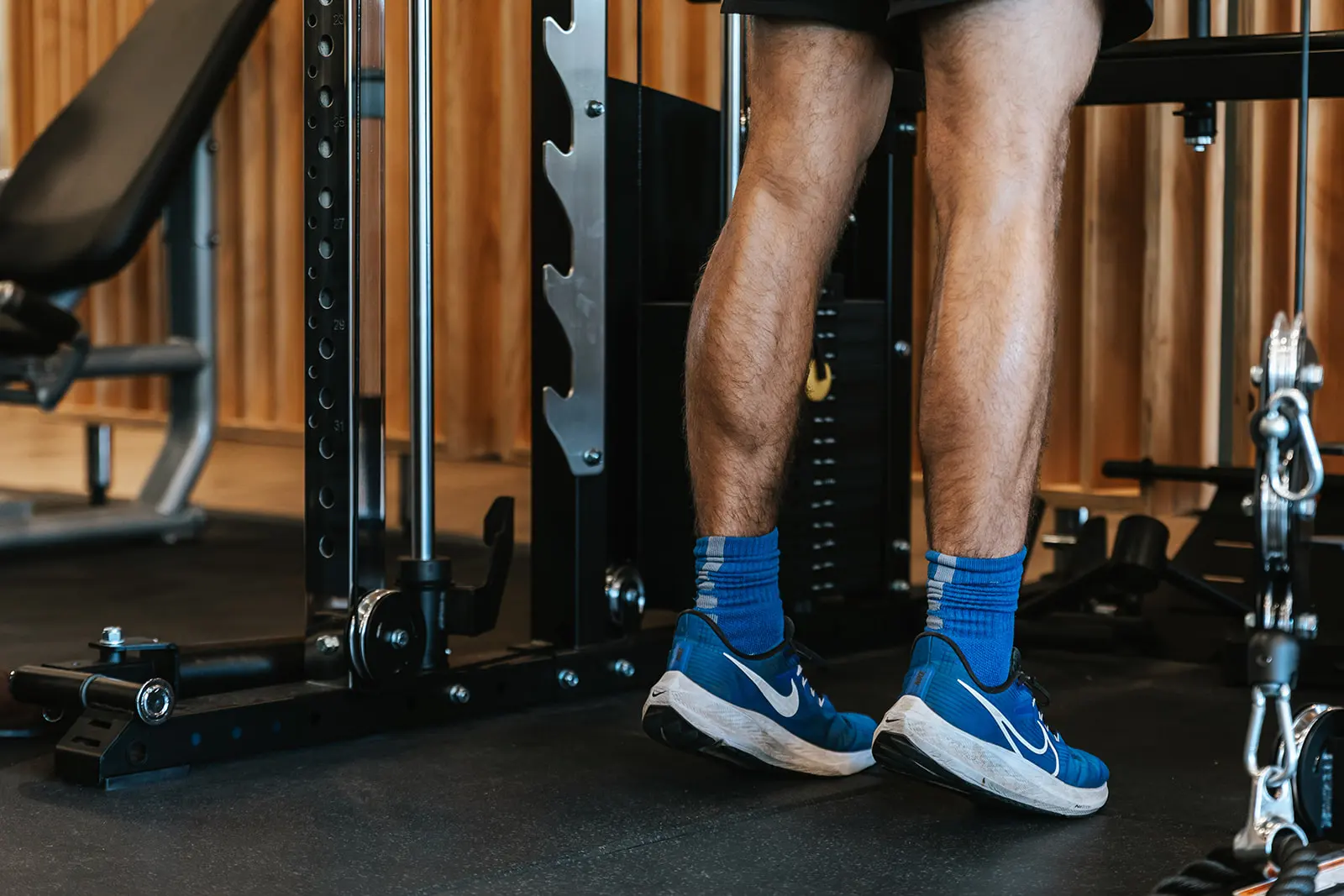
Getting back into sport in your 40s or 50s can be an exciting way to improve your fitness, reconnect with an activity you enjoy and challenge yourself.
Whether you are returning to running, tennis, golf, cycling, football, swimming or another sport, there is no reason why getting older should stop you from being active.
However, returning to sport after years away is not quite the same as returning to the same activity in your 20s. Your body can still become stronger, fitter and more capable, but it may need more time to adapt to increased training.
As a physiotherapist, the goal is not to tell masters athletes to slow down. It is to help them train smart, build capacity and stay involved in the sports they enjoy.
Book Online Now to Fix Your Body
Why is returning to sport different in your 40s and 50s?
One of the biggest challenges is often the difference between what you want your body to do and what it is currently prepared to do.
You might remember playing competitive sport years ago and assume you can return at a similar level. But if you have spent the last decade working at a desk, exercising inconsistently or doing mainly low-impact activities, your body may not yet be ready for the demands of your old training schedule.
This does not mean you cannot get back there.
It simply means your training needs to catch up with your goals.
Australia's current movement guidelines recommend that adults include regular moderate to vigorous physical activity, muscle-strengthening activities at least twice a week, and activities that support mobility, balance and coordination.
What our clients are saying about us
The biggest mistake: doing too much too soon
One of the most common problems we see in people returning to sport is progressing faster than their body can adapt.
For example, someone returning to running might feel good during their first few sessions and decide to immediately increase their distance. A few days later, they may develop knee, Achilles, calf or hip pain.
The problem is not necessarily the sport itself. It is often the sudden increase in the amount or intensity of activity.
Your cardiovascular fitness can sometimes improve faster than your muscles, tendons and joints adapt. This can create a situation where you feel fit enough to do more, but your body is not yet prepared for the workload.
A gradual progression is therefore one of the most important parts of returning to sport safely.
Start with where you are now
Forget what you could do 10, 20 or 30 years ago.
Instead, assess what your body can comfortably handle today.
If you want to return to running, for example, you may need to begin with a combination of walking and short periods of running.
If you want to return to tennis, start with hitting sessions before progressing to longer games.
If golf is your goal, consider gradually increasing how many holes you play rather than immediately returning to 18 holes every weekend.
The same principle applies to almost every sport:
Start with a manageable amount, allow your body to recover and gradually increase the demands.
If you have a chronic condition, injury or significant period of inactivity, professional guidance may also be appropriate. Australia's current physical activity recommendations specifically encourage people to start slowly and build up where possible.
Strength training matters more than ever
Strength training is one of the most useful tools for masters athletes.
It can help you build the physical capacity required for your sport and provide a foundation for running, jumping, changing direction, lifting, swinging or other sporting movements.
You do not need to become a bodybuilder.
Instead, your strength program should be designed around your sport and your individual needs.
For a runner, this might include exercises for the legs, hips and calves.
For a tennis player, it may include lower-body strength alongside exercises for the shoulders and upper body.
For a golfer, strength and control through the hips, trunk and upper body may be important.
Australian movement guidelines recommend muscle-strengthening activities at least twice a week for adults.
Book Online Now to Fix Your Body
Do not forget your warm-up
A good warm-up is an opportunity to prepare your body for the activity ahead.
Rather than spending 15 minutes holding long static stretches, consider using movements that gradually increase your heart rate and prepare the muscles and joints you are about to use.
For example, a tennis player might start with light jogging, side-to-side movements and progressive hitting. A runner might begin with brisk walking followed by an easier pace before starting their main session.
The closer your warm-up resembles the movements and intensity of your sport, the more useful it can be as preparation.
Recovery becomes part of your training
Training is only one part of becoming a better athlete.
Recovery matters too.
If you return to sport after a long break and train hard several days in a row, your body may struggle to keep up.
Pay attention to how you feel between sessions. Persistent soreness, declining performance, unusual fatigue or pain that progressively worsens may be signs that your training needs to be adjusted.
Sleep is another important part of recovery. Australia's 2026 movement guidelines recommend 7–9 hours of good-quality sleep for adults, with consistent sleep and wake times.
Think of recovery as part of your program rather than something that happens when training is finished.
Book Online Now to Fix Your Body
Train for the sport you actually want to play
General fitness is useful, but eventually your training needs to reflect your sport.
If you want to return to football, you need more than the ability to jog for 30 minutes. You may need to accelerate, decelerate, change direction and repeatedly perform these movements while fatigued.
If you are returning to tennis, you need to prepare for short bursts of movement, repeated changes of direction and hitting from different positions.
If you are returning to running, gradually increasing your running volume is important, but so is preparing your body for hills, faster running or longer distances if those are part of your goals.
A physiotherapist can help identify the physical demands of your chosen sport and build a progression around them.
What if you have had an injury?
A previous injury does not automatically mean you should avoid returning to sport.
In fact, rehabilitation should ultimately prepare you for the activities you want to return to.
For example, if you previously injured your knee, simply getting your pain down may not be enough. You may also need to rebuild strength, balance, confidence and the ability to tolerate the movements required by your sport.
Your return should progress from basic exercises towards increasingly sport-specific activities.
The Australian Institute of Sport uses graded return-to-sport approaches in appropriate rehabilitation settings, highlighting the importance of gradually progressing sporting activity rather than jumping immediately back into full participation.
Book Online Now to Fix Your Body
When should you see a physiotherapist?
You do not need to wait until you have a serious injury before seeing a physiotherapist.
A physiotherapist can be useful if:
-
You have ongoing pain during or after exercise.
-
You have recently recovered from an injury.
-
You are unsure how quickly to increase your training.
-
You feel weaker or less mobile than you used to.
-
You are returning to a demanding sport after several years away.
-
You want to reduce your risk of injury.
-
You have a specific performance goal you want to work towards.
A physiotherapist can assess your current strength, movement and sporting demands, then help develop a progressive plan that suits your goals.
Book Online Now to Fix Your Body
You are not too old to become an athlete again
Being in your 40s or 50s does not mean your sporting days are behind you.
It may simply mean that your approach needs to change.
Rather than trying to recreate exactly what you did in your 20s, focus on building the body you need for the sport you want to enjoy now.
Start gradually. Build strength. Give yourself time to recover. Progress your training based on how your body responds.
Most importantly, choose activities that you genuinely enjoy.
With the right preparation and a sensible progression, your 40s and 50s can be an excellent time to return to sport, set new goals and discover what your body is capable of.
If you are unsure where to start, a physiotherapist can help you develop a safe and practical return-to-sport plan based on your current fitness, previous injuries and sporting goals.
Book online today to feel great & move well again!
Super Simple with Instant Confirmation & No Login Required!
For consultation fees and more information, please visit our Fees and FAQs page or call us on 03 9498 0205.
Some types of consultations may require pre-payment or a deposit. 100% Money Back Guarantee (T&Cs apply).
Learn how our Melbourne Sports Physio team can help you?
At Melbourne Sports Physiotherapy our goal is to get you moving pain free as soon as possible.
But, we also want you to actually move better and live a healthier, more active and fulfilling life!
If your sports, fitness training or work has been wearing your body down, book in with one of our expert massage therapists so we can help you reduce your pain or stiffness.
If you are showing some signs of this condition or simply want help prevent this from happening in the future then book in with one of our highly experienced Remedial Massage Therapists today!
You can make an appointment by calling or booking online.