


May 2026
Andrew Lay, Physiotherapist
What Is Tendinopathy? Causes, Symptoms & Physio Treatment Options
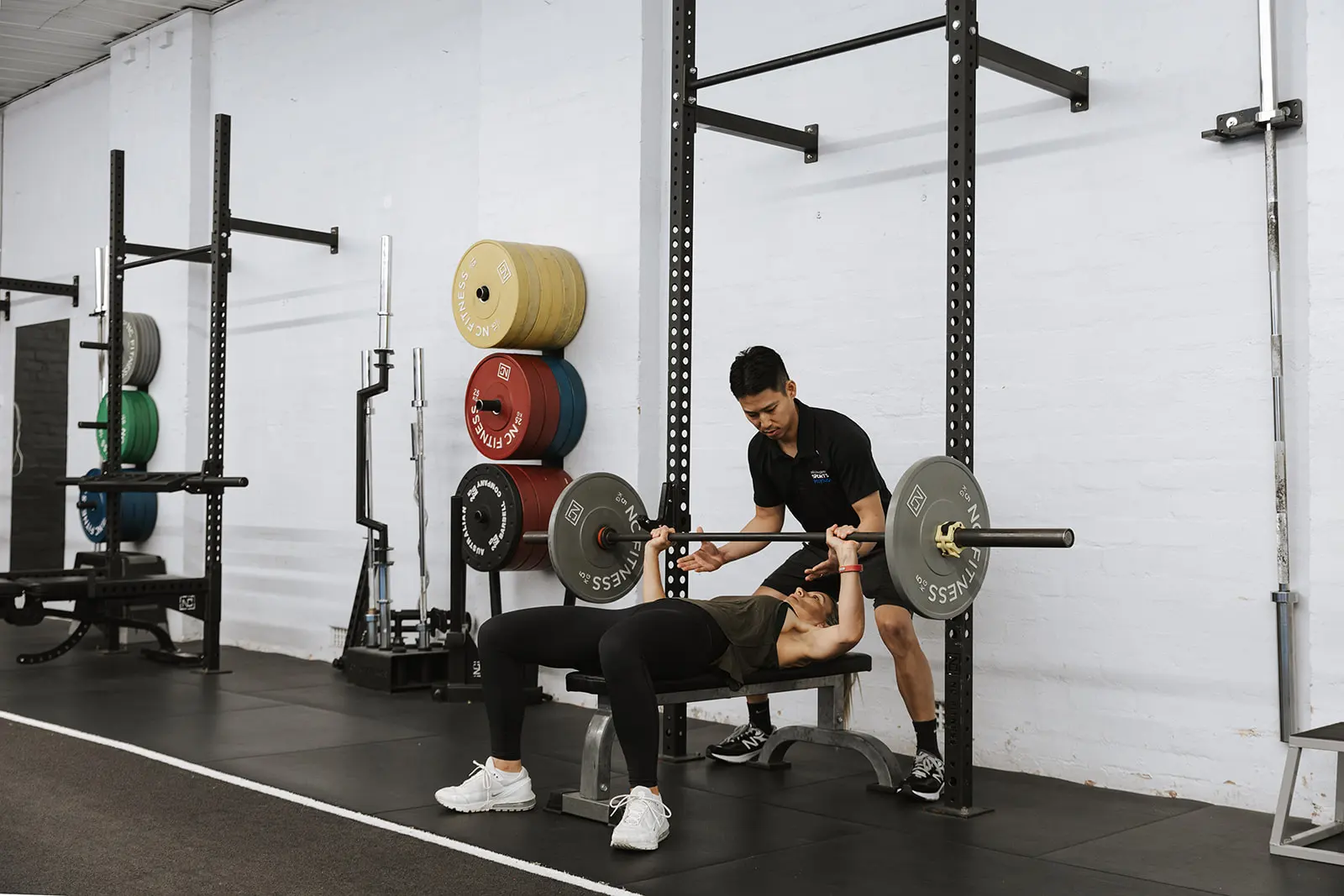
If you’ve ever had a sore Achilles during a run outdoors, elbow pain from playing golf, or nagging knee pain that is impacting your jump height and won’t settle down, there’s a good chance that you’ve experienced tendinopathy.
Tendinopathy is one of the most common musculoskeletal conditions seen by physiotherapists across Melbourne. It can affect athletes, office workers, tradies, parents carrying toddlers and weekend worries alike. While it often starts as a mild pain without an obvious cause, it can become stubborn and frustrating if ignored. The good news is that tendinopathy is highly manageable with the right treatment approach. Understanding what's happening in the tendon is the first step towards recovery.
Book Online Now to Help Your Body
What is a Tendinopathy?
Tendinopathy refers to pain and dysfunction within a tendon. Tendons are the strong fibrous tissues that connect muscles to bones and help transfer force during movement.
Common areas affected include:
- Achilles tendon (at the back of the ankle)
- Patella tendon (below the kneecap)
- Rotator cuff tendons (shoulder)
- Tendons of the elbow
- Tendons at the side of the hip
- Hamstrings
For years, tendon pain was commonly labeled as “tendonitis”, suggesting inflammation was the main problem. We now know that in many longstanding cases, the issue is more related to tendon overload and structural changes within the tendon rather than pure inflammation. Hence why the term “tendinopathy” is now preferred.
What our clients are saying about us
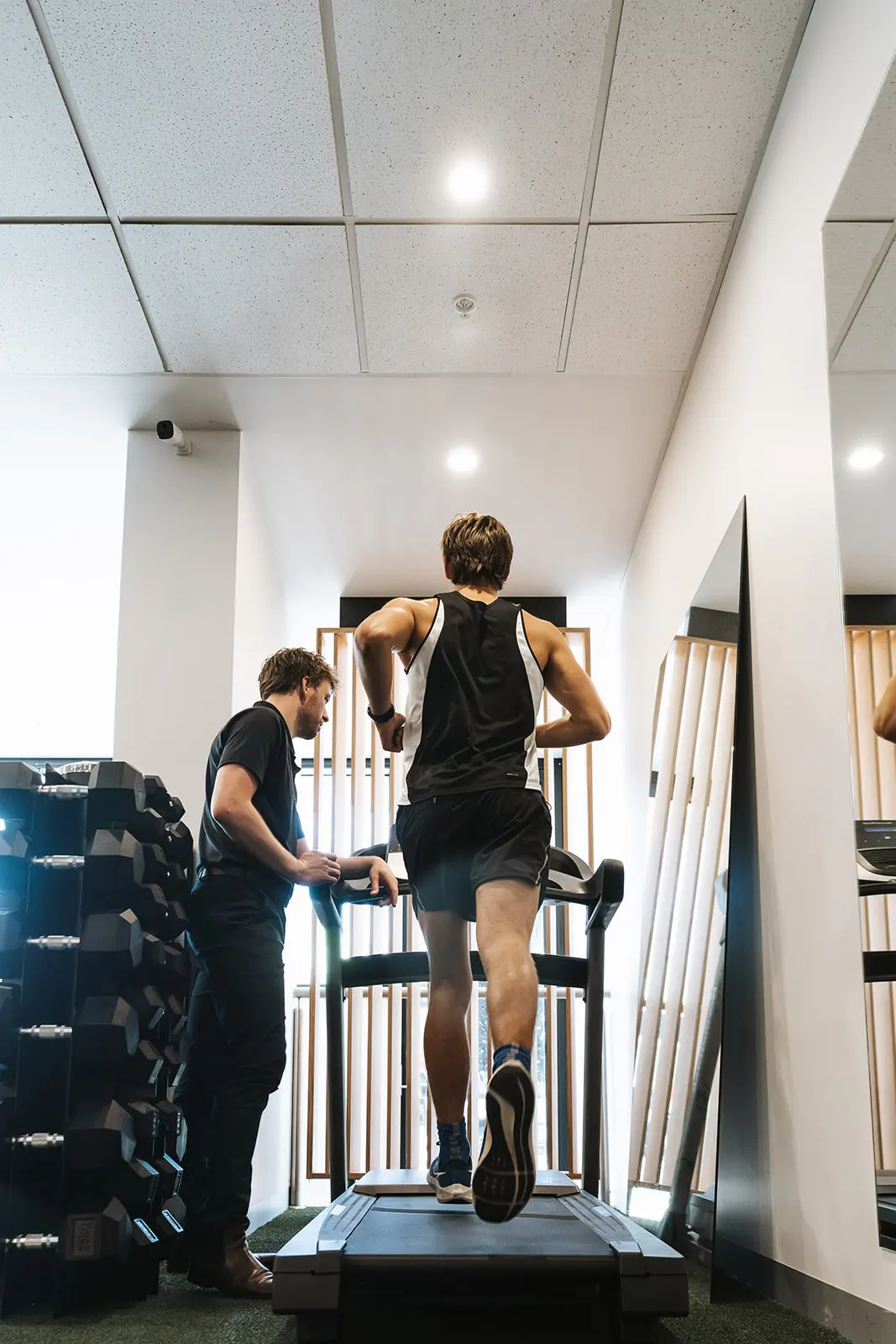
What causes Tendinopathy?
The most common causes are:
- Excessive load beyond which it is strong enough to handle
- Repeated load on the tendon without recovery time
Tendons actually respond well to load when it's introduced gradually. Problems tend to occur when the load increases too quickly or exceeds what the tendon can currently tolerate. Some common triggers include:
Sudden increase in activity
This is especially common in Melbourne as people become more active during warmer months or start training for events like fun runs, triathlons or local footy seasons
Examples include:
- Increasing running distance too quickly
- Returning to the gym after a long break
- Starting a new sport
- Increasing workload or training intensity suddenly
- Resuming a physical activity following a long layoff, made worse with potential weight gain
Repetitive movements
Certain occupations, daily activities and hobbies place repeated stress on tendons over time.
Common examples include:
- Trades involving lifting or overhead work
- Long hours using a mouse or keyboard
- Gardening or DIY projects
- Repetitively lifting of children
Reduced strength or conditioning
Weakness in surrounding muscles can increase strain on tendons. For example, poor calf strength may contribute to Achilles tendinopathy, while weak muscles can play a role in gluteal tendon pain.
Age and lifestyle factors
As we get older, tendons become less adaptable and recover more slowly .
Other contributing factors may include:
- Poor sleep
- High stress levels
- Reduced physical activity
- Obesity
Common symptoms of tendinopathy
Tendinopathy symptoms can vary depending on the area involved, but some common patterns include:
Pain during or after activity
Pain often starts during activity and may settle once warmed up, only to return later afterwards or the next morning
For example:
- Achilles pain during running
- Shoulder pain when reaching overhead
- Elbow pain while gripping or lifting
Morning stiffness
Many people notice that tendon feels stiff or sore first thing in the morning or after periods of rest, particularly following sport or physical activity the previous day
Tenderness to touch
The tendon may feel sore when pressed directly
Reduced strength or function
You may notice:
- Difficulty climbing stairs
- Reduced jumping power
- Weak grip strength
- Pain lifting objects
Persistent symptoms
Unlike typical muscle soreness, tendon pain can linger for months if not managed properly
Book Online Now to Help Your Body
Why rest alone often doesn't work for tendinopathies
One of the biggest misconceptions about tendon pain is that complete rest will fix it. While short-term activity modification may help calm severe pain, tendons generally need gradual loading or strengthening to recover properly. Prolonged rest can actually reduce the tendons capacity further.
This is why people often experience a cycle of:
-
Pain
-
Rest
-
Feeling slightly better
-
Returning to activity
-
Pain returning again
Successful treatment usually involves finding the right balance between reducing aggravation and progressively rebuilding tendon strengths. Rather than relying on passive treatments alone, physiotherapy focuses on improving the tendons ability to tolerate load again.
Thorough assessment
A physiotherapist will assess:
- The paniful tendon
- Strength and flexibility
- Movement patterns
- Training or workload factors
- Contributing biomechanical issues
This helps identify why the tendon became overloaded the first place
Book Online Now to Help Your Body
Education and load management for tendinopathy
One of the most important parts of treatment is understanding how to manage tendon load
This doesn't necessarily mean stopping activity altogether. Instead, your physio may help modify:
- Running volume
- Gym exercises
- Work tasks
- Sporting loads
- Physical habits
The goal is to keep the tendon active without continually aggravating it
Strength exercises for tendinopathy
Progressive strengthening is usually a central part of rehab and recovery. Specific loading exercises help stimulate tendon adaptation and improve its capacity over time.
Depending on the tendon involved, exercises may include:
- Calf raises for Achilles tendinopathy
- Squats for patella tendon
- Rotator cuff strengthening for shoulder tendinopathy
- Hip strengthening for gluteal tendinopathy
Recovery often takes patience. Tendons typically improve gradually over several weeks two months rather than days.
Manual therapy
Hands-on treatment may reduce pain and improvement in some cases. This may include:
- Soft tissue massage
- Joint mobilisations
While these treatments can assist symptom relief, they usually work best alongside an active exercise program.
Returning to sport or activity planning with tendinopathy
For runners, gym goers, or sporting athletes, physios can guide a gradual return to activity to reduce the risk of flare-ups. This staged approach is particularly important for all physical activities to help allow people to return to their activities successfully without re-aggravating their tendon injury.
Book Online Now to Help Your Body
When should you see a physio for a tendinopathy
It's worth seeking assessment if:
- Pain has lasted more than a couple of weeks
- Symptoms keep returning
- Pain is affecting work, exercise or sleep
- You're avoiding activities because of pain
- Symptoms are worsening
Early management often leads to better outcomes and can help prevent long-term tendon issues
Can Tendinopathy Be Prevented?
While not every case is avoidable, there are several ways to reduce the risk:
- Increasing training gradually
- Maintaining regular strength training
- Warm up properly before sport
- Avoid sudden spikes in activity
- Prioritise sleep, recovery and general health
Listening to early warning signs is important too. Mild tendon soreness that persists shouldn't simply be pushed through repeatedly.
Book Online Now to Help Your Body
Conclusion
Tendinopathy is common, frustrating and sometimes slow to settle, but it is very treatable with the right approach.
Physiotherapy focuses on identifying contributing factors, improving tendon capacity and helping people return to normal activity safely and confidently. Whether it’s an issue from running, shoulder pain from lifting weights at the gym, or elbow pain from work, early management can make a significant difference.
If tendon pain is starting to interfere with your daily life or training, getting professional advice early may help you recover faster and avoid ongoing flare-ups.
Book online today to feel great & move well again!
Super Simple with Instant Confirmation & No Login Required!
For consultation fees and more information, please visit our Fees and FAQs page or call us on 03 9498 0205.
Some types of consultations may require pre-payment or a deposit. 100% Money Back Guarantee (T&Cs apply).
Learn how our Melbourne Sports Physio team can help you?
At Melbourne Sports Physiotherapy our goal is to get you moving pain free as soon as possible.
But, we also want you to actually move better and live a healthier, more active and fulfilling life!
If your sports, fitness training or work has been wearing your body down, book in with one of our expert massage therapists so we can help you reduce your pain or stiffness.
If you are showing some signs of this condition or simply want help prevent this from happening in the future then book in with one of our highly experienced Remedial Massage Therapists today!
You can make an appointment by calling or booking online.