


January 2026
Sam Younghusband, Physiotherapist
Patellofemoral Pain Syndrome Explained: What Is Runner’s Knee?
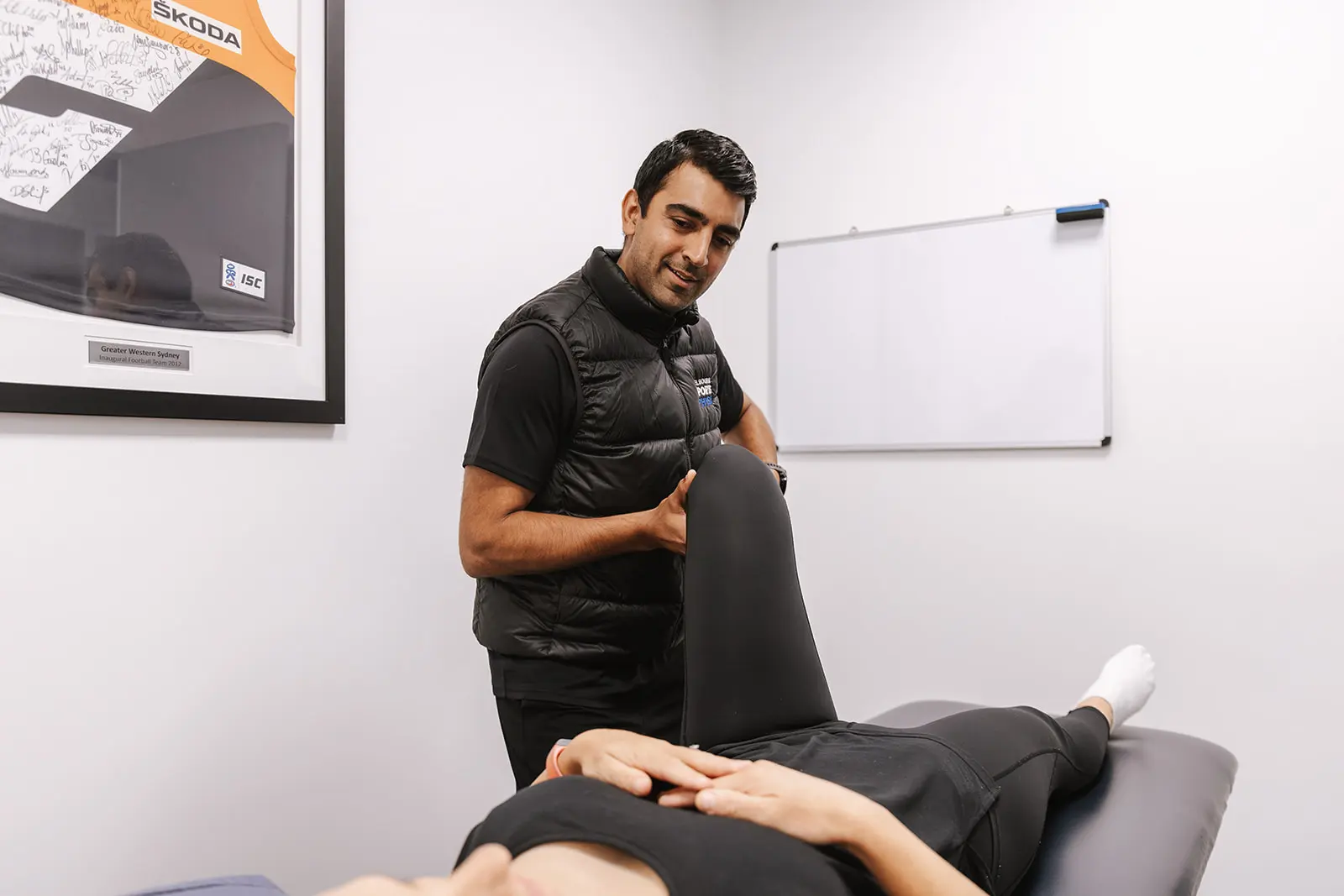
Runner’s knee is one of the most common causes of knee pain seen in physiotherapy clinics, particularly among runners, gym-goers, and active individuals.
In Melbourne, it is a frequent presentation due to high participation in running, gym training, and community sport. The medical term for runner’s knee is patellofemoral pain syndrome, but despite the complex name, the condition itself is very common and usually manageable with the right treatment approach.
This article explains what runner’s knee is, how to recognise it, what causes it, how runner’s knee treatment in Melbourne typically works, how long recovery takes, and what you can do to prevent it from returning.
Book Online Now to Fix Your Body
What Is Runner’s Knee?
Runner’s knee refers to pain that comes from the area where the kneecap (patella) meets the thigh bone (femur).
The pain is not usually caused by a single injury. Instead, it tends to develop gradually when the kneecap is exposed to repeated stress during activities such as running, squatting, stair climbing, or gym-based training.
Although the name suggests it only affects runners, runner’s knee can occur in anyone who regularly loads their knees.
This includes people who cycle, play field or court sports, attend group fitness classes, or suddenly increase their activity levels.
What our clients are saying about us
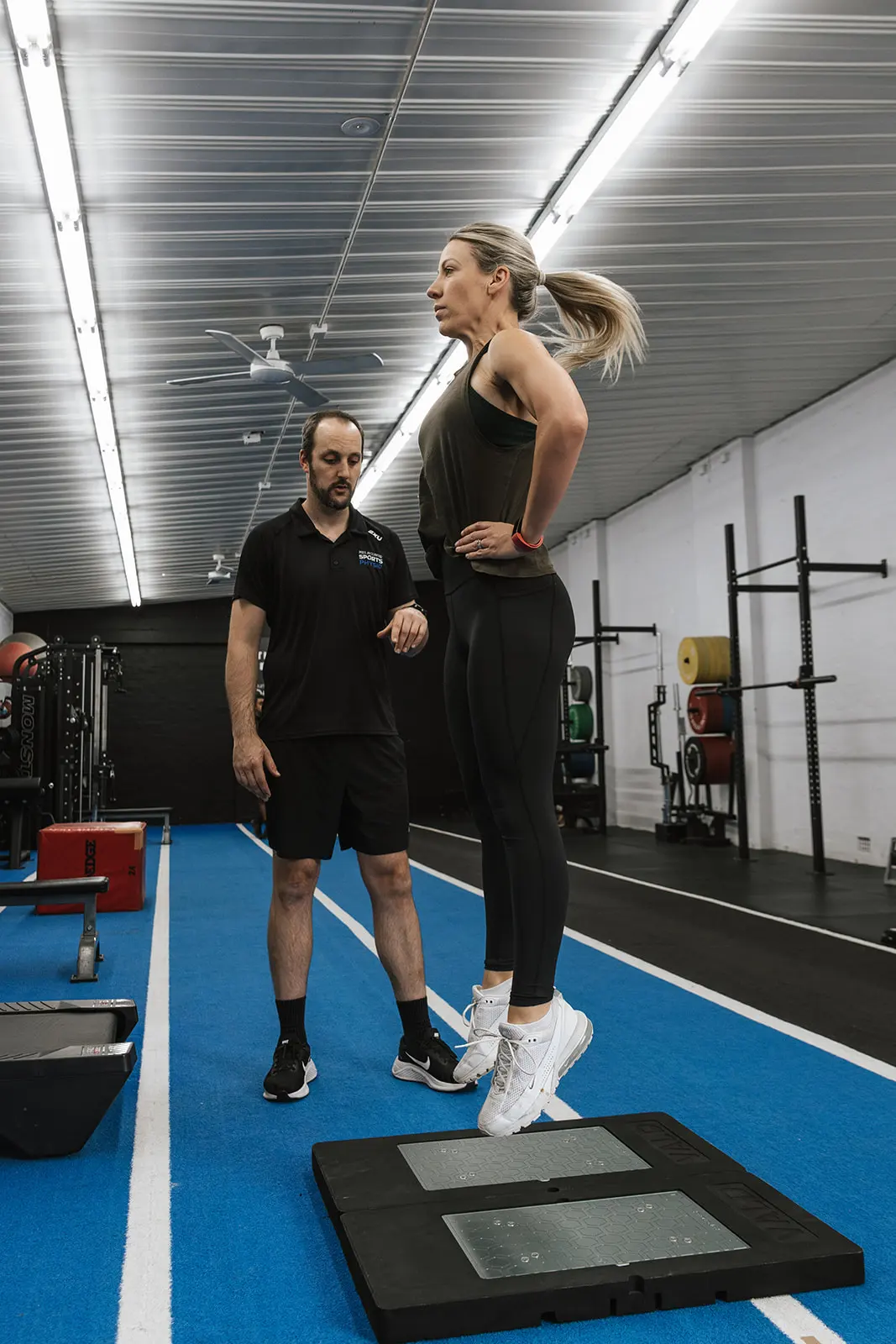
How Do I Know If I Have Runner’s Knee?
Runner’s knee typically causes pain at the front of the knee, around or behind the kneecap.
Symptoms usually come on gradually rather than following a specific incident.
Common signs include:
-
A dull or aching pain at the front of the knee
-
Pain during or after running, particularly downhill
-
Discomfort with squatting, lunging, or stair use
-
Pain after sitting with the knee bent for long periods
-
Symptoms that settle with rest but return once activity resumes
The knee generally does not lock, give way, or feel unstable. Swelling is often minimal or absent. If you experience sharp pain, significant swelling, or instability, further assessment is recommended.
Physiotherapists providing runner’s knee treatment in Melbourne will assess movement, strength, and training load to confirm whether patellofemoral pain syndrome is the source of your symptoms.
Does Runner’s Knee Go Away?
Runner’s knee can improve, but it does not always resolve fully without addressing the underlying causes.
Some people notice symptoms ease when they rest or reduce activity. However, if the factors that caused the pain are not corrected, symptoms often return once training resumes.
With appropriate runner’s knee treatment, most people recover well and return to running or sport without ongoing knee pain. Early physiotherapy intervention is associated with faster and more reliable outcomes.
What Triggers Runner’s Knee?
Runner’s knee usually develops due to a combination of factors rather than one single issue. Common contributors include:
Sudden Changes in Training Load
Rapid increases in running distance, speed, hills, or gym intensity can overload the kneecap before the body has time to adapt.
Muscle Weakness or Imbalance
Weakness in the hips, thighs, or calves can alter how the kneecap moves during activity, increasing stress at the front of the knee.
Poor Movement Control
Excessive inward knee movement during running, squatting, or landing increases pressure behind the kneecap.
Reduced Mobility
Stiffness in the hips, ankles, or thigh muscles can affect knee mechanics and contribute to pain.
Inadequate Recovery
Limited recovery time, poor sleep, or repeatedly training through pain often prevents symptoms from settling.
During runner’s knee treatment in Melbourne clinics, these contributing factors are assessed together rather than in isolation.
Book Online Now to Fix Your Body
Runner’s Knee Treatment Melbourne: How Physiotherapy Helps
Effective runner’s knee treatment in Melbourne focuses on addressing the cause of pain, not just relieving symptoms.
Comprehensive Physiotherapy Assessment
A physiotherapist will assess:
-
Hip, knee, and ankle strength
-
Movement patterns during squatting, running, or hopping
-
Joint mobility and muscle flexibility
-
Training volume, intensity, and recovery habits
This allows treatment to be specific to your presentation rather than generic.
Strength and Control Exercises
Targeted strengthening of the hips, thighs, and calves is central to runner’s knee treatment. Exercises are progressed gradually to improve knee control during real-life activities such as running and sport.
Load Management
Temporary modifications to running distance, pace, hills, or gym training reduce knee stress while maintaining fitness where possible.
Movement Retraining
Small technique changes may be recommended to reduce pressure at the kneecap and improve efficiency.
Gradual Return to Running
Rather than complete rest, a structured return-to-run plan allows the knee to adapt safely and reduces recurrence risk.
Most people experience steady improvement over several weeks with consistent physiotherapy-led treatment.
Book Online Now to Fix Your Body
Runner’s Knee Recovery Time and When You Can Return to Running
Recovery time varies depending on symptom duration, severity, and adherence to rehabilitation.
How Long Does Runner’s Knee Take to Heal?
Most people notice meaningful improvement within 4–8 weeks of appropriate physiotherapy treatment. Longer-standing cases may take several months to fully resolve.
Recovery is rarely linear. Short-term flare-ups can occur if training load increases too quickly.
When Can I Return to Running?
A return to running is based on function rather than time. Running is usually reintroduced when:
-
Daily activities are pain-free or near pain-free
-
Strength and movement control have improved
-
Pain during or after exercise is mild and settles quickly
-
Symptoms do not worsen the following day
A graded return-to-run program is commonly used to safely rebuild tolerance.
Should I Run Through Pain?
Running through worsening pain is not recommended. Mild discomfort that settles quickly may be acceptable in later rehab stages, but increasing pain indicates the knee is not yet tolerating the load.
Book Online Now to Fix Your Body
How to Avoid Runner’s Knee
While runner’s knee is common, it is often preventable with appropriate training habits and early management.
Build Strength Gradually
Strong hips, thighs, and calves help control kneecap movement. Regular strength training is a key preventative strategy.
Increase Training Load Slowly
Avoid sudden spikes in distance, speed, or intensity. Gradual progression is essential for knee health.
Maintain Good Movement Control
Improving knee alignment and control during running, squatting, and landing reduces unnecessary stress at the front of the knee.
Prioritise Recovery
Adequate sleep, rest days, and recovery sessions allow tissues to adapt. Training through pain often leads to prolonged symptoms.
Address Early Symptoms
Early physiotherapy input can prevent mild knee discomfort from progressing into persistent runner’s knee.
Is Heat or Ice Better for Runner’s Knee?
Ice is generally more useful during painful or irritated phases of runner’s knee.
Ice
-
Helps reduce pain after activity
-
Useful when the knee feels sore or irritated
-
Typically applied for 15–20 minutes
Heat
-
May help with muscle tightness around the thigh or hip
-
Not recommended if the knee feels inflamed
Heat and ice are short-term symptom management tools and do not replace proper runner’s knee treatment.
Book Online Now to Fix Your Body
When Should You Seek Runner’s Knee Treatment in Melbourne?
You should consider seeing a physiotherapist if:
-
Knee pain lasts longer than one to two weeks
-
Symptoms limit running, gym training, or sport
-
Pain repeatedly returns despite rest
-
You are unsure how to modify activity safely
Early assessment and treatment reduce the risk of long-term knee pain.
Key Takeaways For Runner’s Knee
Runner’s knee is common, frustrating, but very treatable.
Understanding why your knee is painful and addressing strength, movement, and training load is essential for long-term recovery.
With appropriate runner’s knee treatment in Melbourne, most people return to running and sport without ongoing knee pain.
Book online today to feel great & move well again!
Super Simple with Instant Confirmation & No Login Required!
For consultation fees and more information, please visit our Fees and FAQs page or call us on 03 9498 0205.
Some types of consultations may require pre-payment or a deposit. 100% Money Back Guarantee (T&Cs apply).
Learn how our Melbourne Sports Physio team can help you?
At Melbourne Sports Physiotherapy our goal is to get you moving pain free as soon as possible.
But, we also want you to actually move better and live a healthier, more active and fulfilling life!
If your sports, fitness training or work has been wearing your body down, book in with one of our expert massage therapists so we can help you reduce your pain or stiffness.
If you are showing some signs of this condition or simply want help prevent this from happening in the future then book in with one of our highly experienced Remedial Massage Therapists today!
You can make an appointment by calling or booking online.