


March 2026
Jessika Ray, Physiotherapist
Why Balance & Proprioception Matter in Ankle Injury Rehab For Athletes
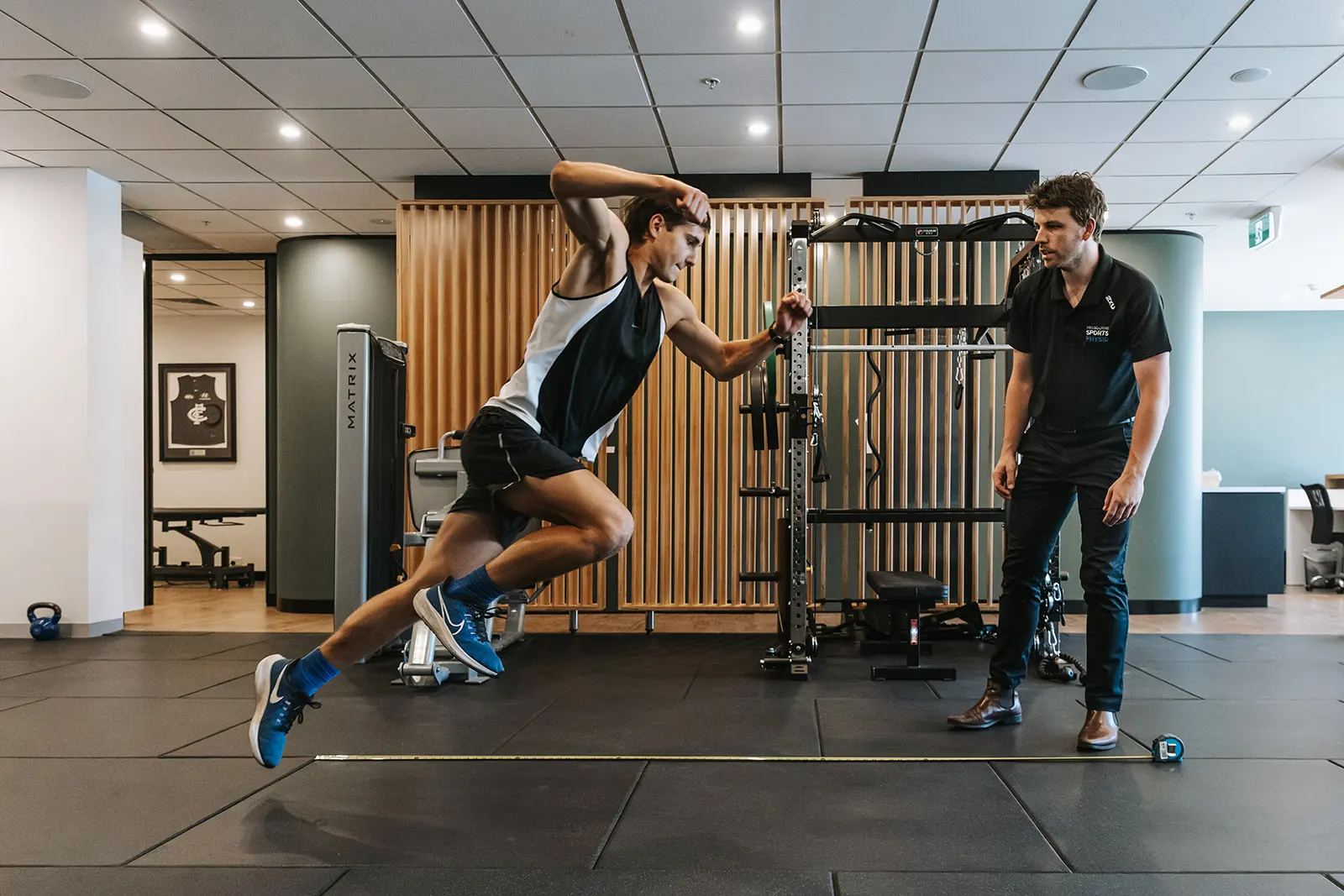
Ankle injuries are common in the athlete population.
Reducing pain, restoring movement, and strengthening the ankle again are key components of rehabilitation, but there’s one critical component that often gets overlooked—proprioception and balance training.
Many athletes return to sport with strong muscles but poor neuromuscular control, which dramatically increases the risk of reinjury. Research shows that up to 70% of people who experience an ankle sprain develop recurrent sprains or chronic ankle instability if proper rehabilitation isn’t completed (Gribble et al., 2016).
That’s where balance and proprioception training becomes essential. For athletes who want to return stronger, faster, and more resilient, rebuilding these systems is just as important as regaining strength.
If you’ve had an ankle injury—or want to prevent the next one—this is exactly why balance and proprioception training should be a core part of your rehab.
And if you’re unsure whether your ankle stability has fully returned, consulting a physiotherapist is always the smartest step.
Book Online Now to Fix Your Body
What Is Proprioception?
Proprioception is often called the body’s “sixth sense.”
It refers to your body’s ability to sense joint position, movement, and force without looking at the limb. Your brain constantly receives information from receptors in muscles, ligaments, and joints to coordinate movement and maintain balance.
For athletes, this system allows you to:
-
Land safely from jumps
-
React to sudden directional changes
-
Stabilise during contact
-
Adjust instantly on uneven surfaces
When proprioception is functioning well, your ankle makes micro-adjustments in milliseconds to keep you stable.
But ankle injuries disrupt this system.
Ligaments in the ankle—especially the anterior talofibular ligament (ATFL)—contain sensory receptors that help detect joint movement. When those ligaments are stretched or torn during a sprain, the communication between the ankle and the brain becomes impaired.
This means even after the pain fades, your ankle may still struggle to detect instability quickly enough.
That’s why athletes often experience repeat ankle sprains.
If you want to truly recover, the brain–ankle connection must be retrained.
What our clients are saying about us
Why Balance Training Is Critical for Athletes
Balance training is not simply about standing on one leg.
For athletes, balance represents the integration of three major systems:
-
Proprioception (joint awareness)
-
Neuromuscular control (muscle coordination)
-
Dynamic stability (movement control under load)
After an ankle injury, all three systems can be compromised.
Without retraining them, an athlete may:
-
React slower to instability
-
Struggle during cutting movements
-
Lose control during landings
-
Compensate with other joints like the knee
These deficits increase injury risk across the entire kinetic chain.
A systematic review published in the British Journal of Sports Medicine found that neuromuscular and balance training significantly reduces ankle sprain recurrence in athletes (McKeon & Hertel, 2008).
In other words, balance training doesn’t just rehabilitate the ankle—it protects it long term.
The Hidden Problem: Chronic Ankle Instability
Many athletes believe that once swelling disappears, the ankle has healed.
But this can be misleading.
Chronic ankle instability develops when the ankle repeatedly “gives way” due to poor neuromuscular control.
Symptoms may include:
-
Feeling unstable during sport
-
Frequent minor ankle rolls
-
Reduced confidence in movement
-
Persistent swelling after activity
Research suggests up to 40% of ankle sprain patients develop chronic instability (Hertel, 2002).
This is one reason physiotherapists emphasise progressive balance training before athletes return to sport.
Skipping this phase can lead to years of recurring ankle problems.
If you’re an athlete recovering from a sprain, working with a physiotherapist ensures these deficits are properly addressed before you return to competition.
Book Online Now to Fix Your Body
Advanced Balance & Proprioception Drills for Athletes
Once pain, swelling, and basic strength have improved, athletes should progress to dynamic proprioceptive drills that replicate real sporting demands.
Here are several advanced exercises commonly used in sports physiotherapy.
1. Single-Leg Balance with Perturbations
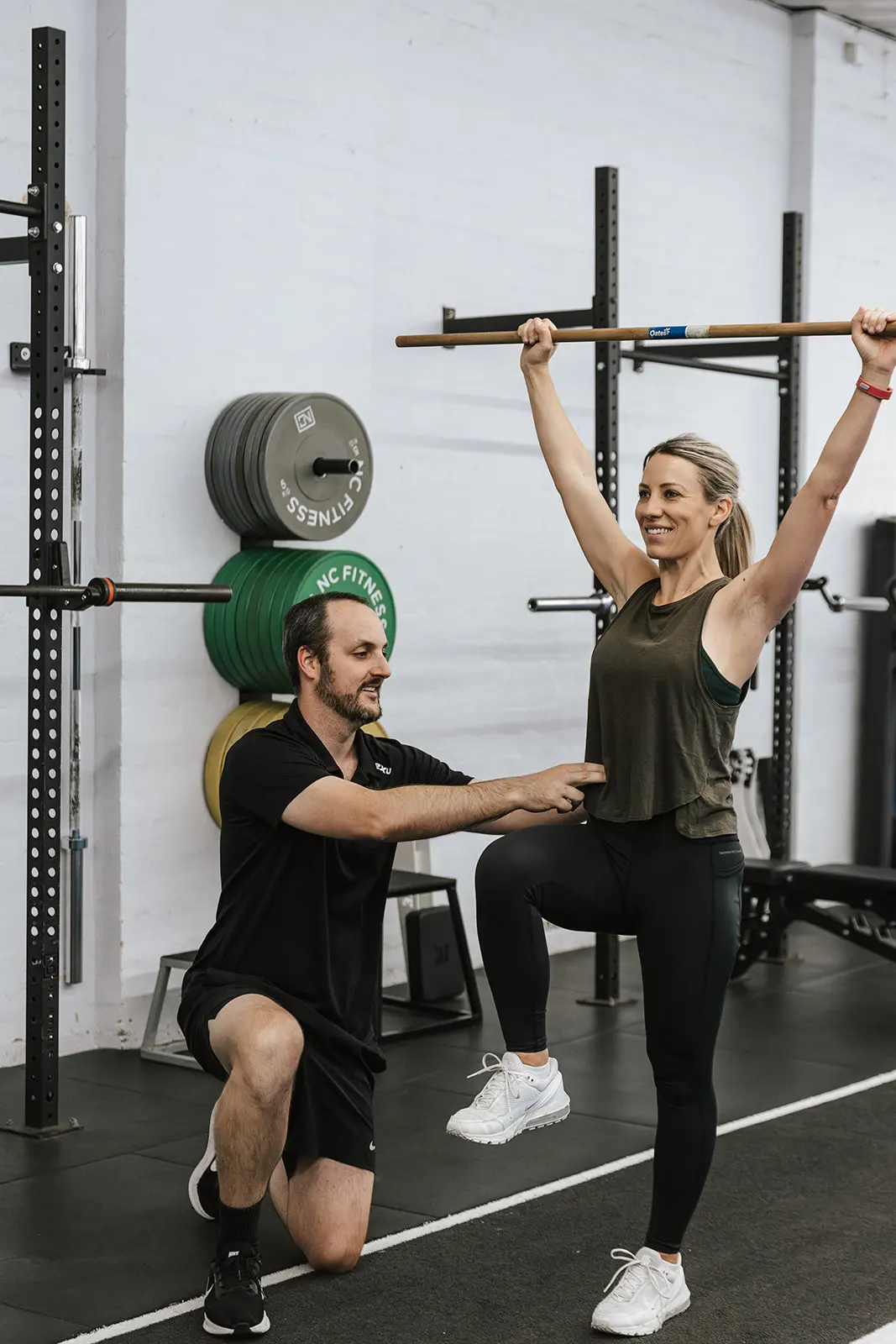
This exercise challenges the ankle to stabilise against unpredictable forces.
How to perform:
-
Stand on one leg
-
Have a partner gently push your shoulders in different directions
-
Maintain balance without letting the foot move
Why it works
This mimics the unpredictable contact athletes experience during sport.
2. Single-Leg Hops with Controlled Landing
Jumping and landing forces the ankle to react quickly.
How to perform:
-
Hop forward on one leg
-
Land softly and stabilise immediately
-
Hold the landing for 2–3 seconds
Progressions
-
Multi-direction hops
-
Lateral hops
-
Hop and stick drills
These exercises train explosive stability, which is essential for sport.
3. Balance Board or Wobble Board Training
Wobble boards create unstable surfaces that force constant ankle adjustments.
Athletes can progress from:
-
Static single-leg balance
-
Squats on the board
-
Ball catches while balancing
This stimulates the proprioceptors in the ankle joint and improves reactive control.
Book Online Now to Fix Your Body
4. Star Excursion Balance Drill
This drill challenges balance while reaching in multiple directions.
How to perform:
-
Stand on the injured leg
-
Reach the opposite foot forward, sideways, and backwards
-
Return to centre each time
This drill is widely used in physiotherapy because it builds dynamic ankle control through multiple planes of movement.
5. Reactive Agility Drills
Late-stage rehab should simulate real sport.
Examples include:
-
Cone reaction drills
-
Unpredictable direction changes
-
Catch-and-cut movements
These drills train the brain and ankle to respond quickly under pressure—exactly what happens in competition.
Book Online Now to Fix Your Body
The Overlooked Role of the Brain in Ankle Rehab
One aspect most blogs rarely discuss is the neurological component of rehabilitation.
Proprioception is not just about the ankle joint—it’s about how the brain processes sensory information and coordinates movement.
After injury, the brain often develops protective movement patterns. Athletes may subconsciously avoid loading the injured ankle fully.
Balance training helps the nervous system relearn trust in the joint.
That’s why advanced rehabilitation programs combine:
-
Strength training
-
Balance work
-
Reactive drills
-
Sport-specific movement
This approach rebuilds both physical stability and neurological confidence.
Preventing Future Ankle Injuries
Even after rehabilitation ends, athletes should continue incorporating balance training into their routine.
Simple additions to warm-ups can make a significant difference.
Examples include:
-
Single-leg balance drills
-
Hop and stick landings
-
Agility ladder exercises
-
Dynamic stability work
Studies show neuromuscular warm-up programs can reduce lower limb injuries by up to 35% in athletes (Herman et al., 2012).
Consistency is the key.
If you want long-term ankle resilience, balance training should never completely disappear from your training routine.
Book Online Now to Fix Your Body
The Takeaway
Ankle sprains are one of the most common injuries in sport, but what determines long-term recovery isn’t just strength—it’s proprioception and balance.
These systems allow the ankle to react instantly, stabilise under pressure, and adapt to unpredictable movement.
Without retraining them, athletes often return to sport with hidden deficits that increase the risk of reinjury.
The good news is that targeted physiotherapy can restore these systems through progressive balance training, neuromuscular exercises, and sport-specific drills.
If you’re recovering from an ankle injury—or want to prevent the next one—working with a physiotherapist can ensure your rehab goes beyond basic strength and truly prepares you for the demands of sport.
Your ankle stability, performance, and longevity in sport may depend on it.
So the next time you think your ankle is “fully healed,” ask yourself one question:
Is your balance and proprioception truly back to athletic level?
If you’re unsure, it may be time to have it assessed by a physiotherapy professional.
Book online today to feel great & move well again!
Super Simple with Instant Confirmation & No Login Required!
For consultation fees and more information, please visit our Fees and FAQs page or call us on 03 9498 0205.
Some types of consultations may require pre-payment or a deposit. 100% Money Back Guarantee (T&Cs apply).
Learn how our Melbourne Sports Physio team can help you?
At Melbourne Sports Physiotherapy our goal is to get you moving pain free as soon as possible.
But, we also want you to actually move better and live a healthier, more active and fulfilling life!
If your sports, fitness training or work has been wearing your body down, book in with one of our expert massage therapists so we can help you reduce your pain or stiffness.
If you are showing some signs of this condition or simply want help prevent this from happening in the future then book in with one of our highly experienced Remedial Massage Therapists today!
You can make an appointment by calling or booking online.